How banks spot card fraud
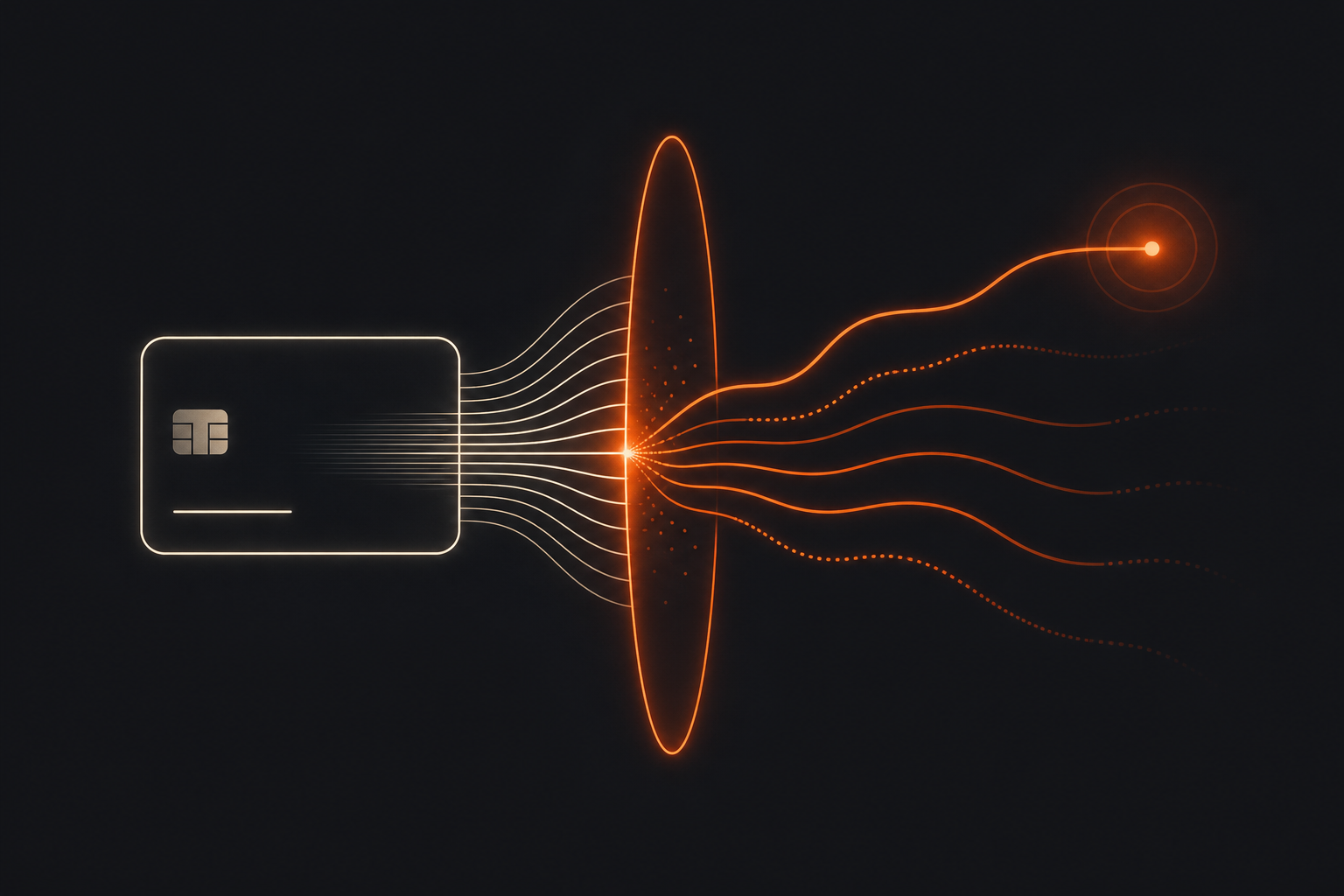
Banks flag card payments that look unlike your usual activity, then may pause the payment or ask you to confirm it.
It's often said that a bank knows for certain a payment is fraudulent — in fact, it usually makes a risk judgment from clues and may need you to confirm what happened.
Fraud checks are shared across your bank, the card network, and the merchant, with each using signals to reduce losses from stolen card details. The system balances catching criminals against letting genuine purchases go through without needless interruptions.
It is like a teacher recognizing your usual handwriting: a very different-looking note gets checked before it is accepted, even though it might still be yours.
This matters whenever a payment is declined, a fraud alert appears, or you are deciding whether to respond to a bank text, because quick confirmation can protect the account while a delayed response can leave suspicious activity unresolved.
Say you normally use your card near home, then a new online purchase appears from a device and location you have not used before. The bank's system combines those unusual clues and may hold the payment or send an alert. If you say it was yours, the purchase can proceed; if not, the bank can block the card and investigate.
Patterns matter more than one clue
A single unfamiliar purchase may be harmless, but several unusual signals together can raise the system's risk estimate.
Speed can change the response
A payment that looks risky may be challenged immediately, while activity reported after it clears may lead to card replacement and a dispute process.
Your confirmation improves the signal
Telling the bank which transactions are yours helps separate your normal behavior from genuinely unauthorized use, although it does not replace the bank's own checks.