Why Home Teams Have an Edge
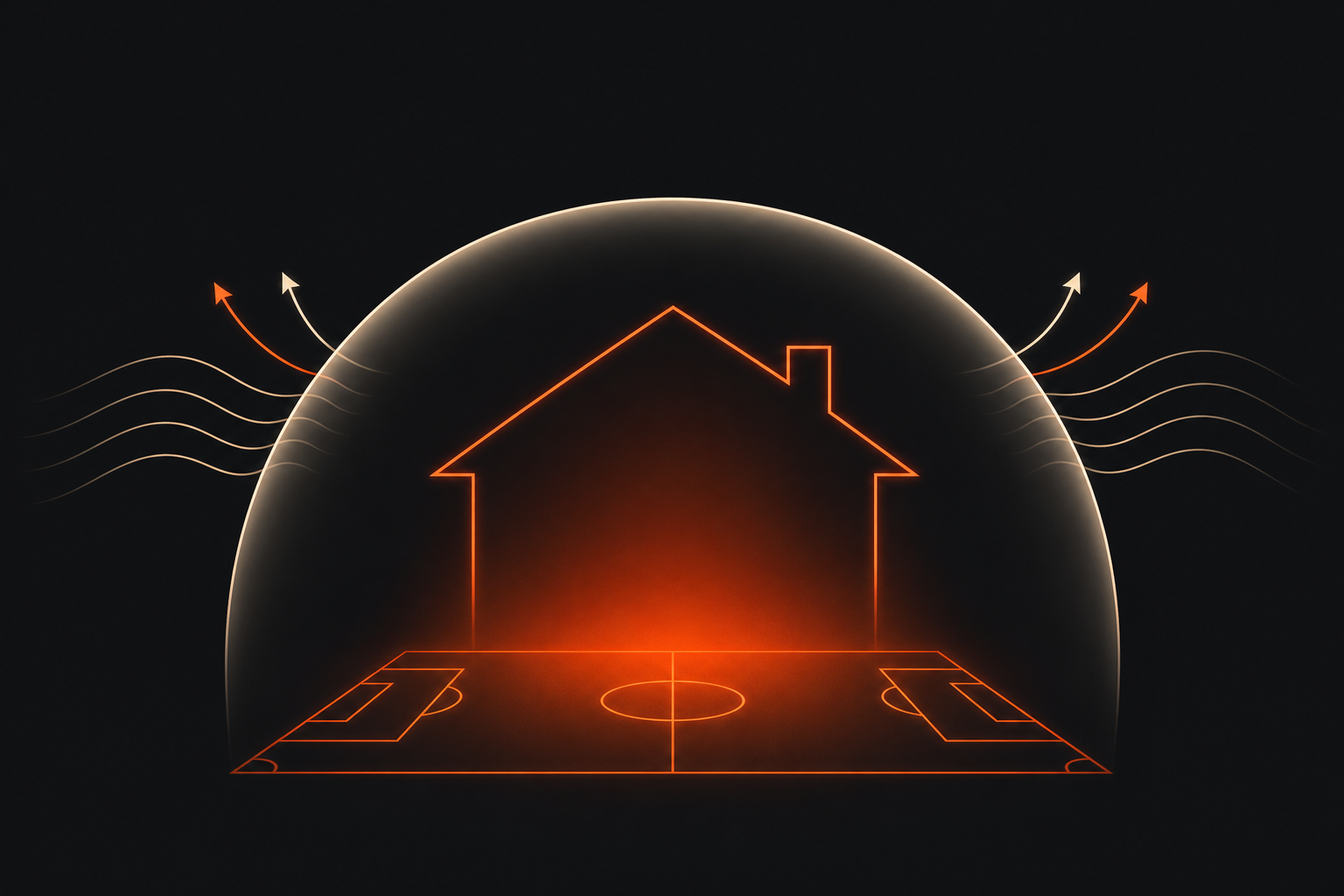
Playing at home often helps teams win because familiar surroundings and steady routines reduce travel strain, while supportive crowds can boost energy and pressure opponents.
It is often said that home advantage is mostly referees favoring the home team—in fact, it can arise from several ordinary effects without any deliberate favoritism.
Home advantage is a mix of physical, mental, and environmental effects rather than one single rule. It can matter across many sports, although its size varies by venue and situation.
It is like taking a test in your own room: you know where everything is and feel more comfortable, while a visitor has to find their way around.
Understanding home advantage helps explain why a team’s performance can change sharply between home and away games without the players themselves changing.
Say a home basketball team follows its usual warm-up and pregame routine, while the visiting team arrives tired and has less time to settle in. During the game, the crowd drowns out a defensive call, and the visitors hesitate for a moment. One moment does not decide the game, but several small disruptions can give the home team more chances to score.
Travel can reduce sharpness
Away teams may lose sleep, disrupt meals, or spend less time recovering when getting to the venue.
Venue details become useful
Home players often know how the surface, lighting, sightlines, and surrounding conditions affect their decisions.
Noise disrupts communication
A loud home crowd can make it harder for visiting players to hear calls, coordinate plays, or stay composed.