How Habits Form in Our Brains
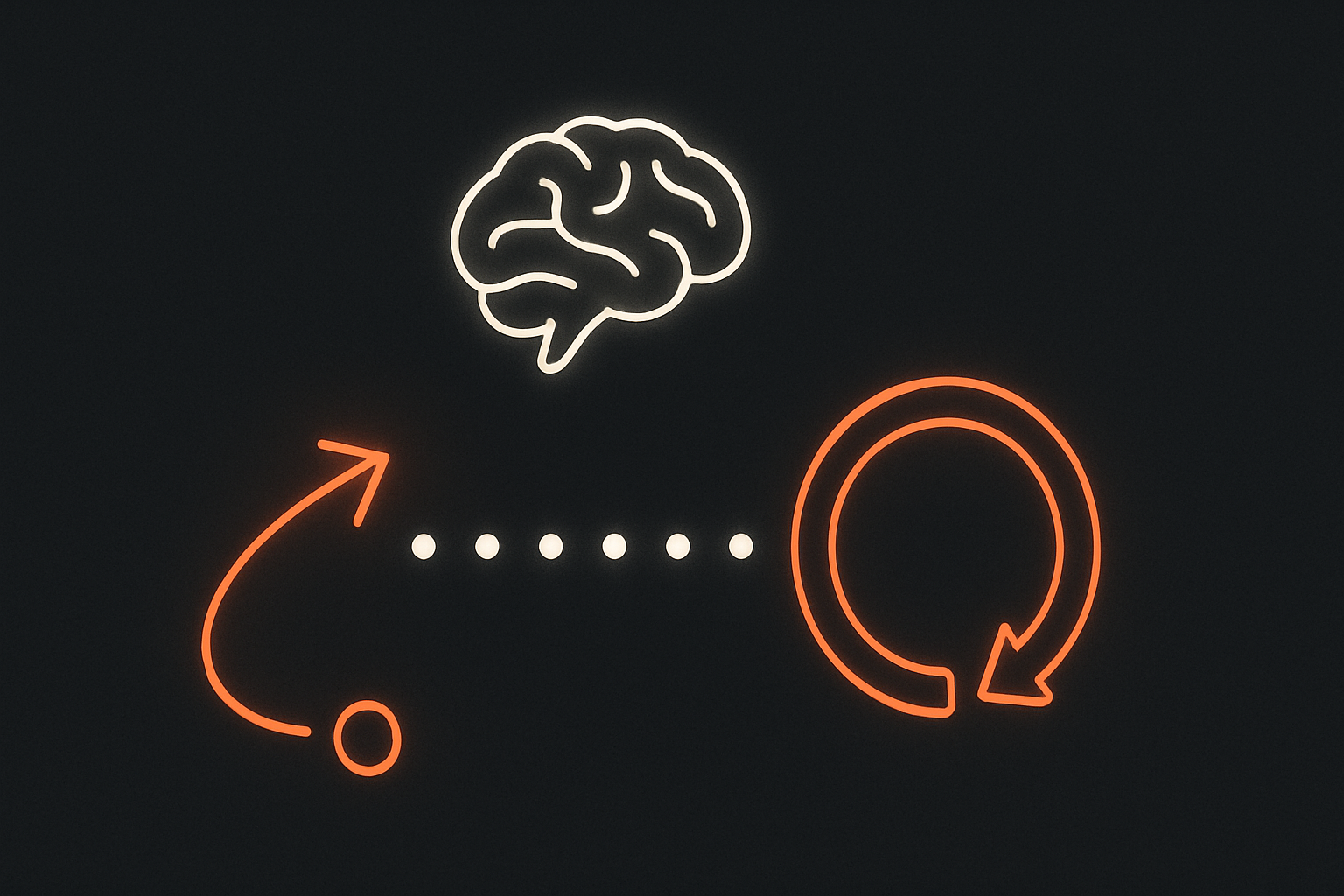
Habits form through a loop of cue, routine, and reward that the brain repeats until it becomes automatic.
It's often said that a habit takes a fixed number of days to form—in fact, there is no universal timetable, because the behavior, the person, and the surroundings all matter.
Understanding how habits form helps us change bad behaviors and build good ones, improving our daily lives and health.
It's like when you hear a bell (cue), you go to get a cookie (routine), and then you feel happy (reward), so next time you hear the bell, you want the cookie again.
Many daily choices, from checking a phone to taking a walk, begin as habits before we fully notice them. Knowing the loop gives us a practical way to shape our surroundings so healthier choices are easier to repeat.
Suppose Maya wants to read before bed but usually opens a video app after turning off the light. The cue is getting into bed, the routine is reaching for the phone, and the reward is a quick burst of distraction; she puts a book on her pillow, leaves her phone across the room, and enjoys a favorite tea after reading. After enough evenings, bedtime begins to point more naturally toward reading because that response is easier to start and brings its own reward.
Cues can hide in plain sight
A cue can be a time of day, a feeling, a place, or seeing something that reminds your brain what to do next.
Small changes can redirect loops
Making a helpful routine easier to start, such as leaving shoes by the door, can help it become the response to a familiar cue.
Rewards need to feel meaningful
A routine is more likely to stick when it brings something you genuinely enjoy, like relief, pride, connection, or a small treat.