How Noise-Cancelling Headphones Work
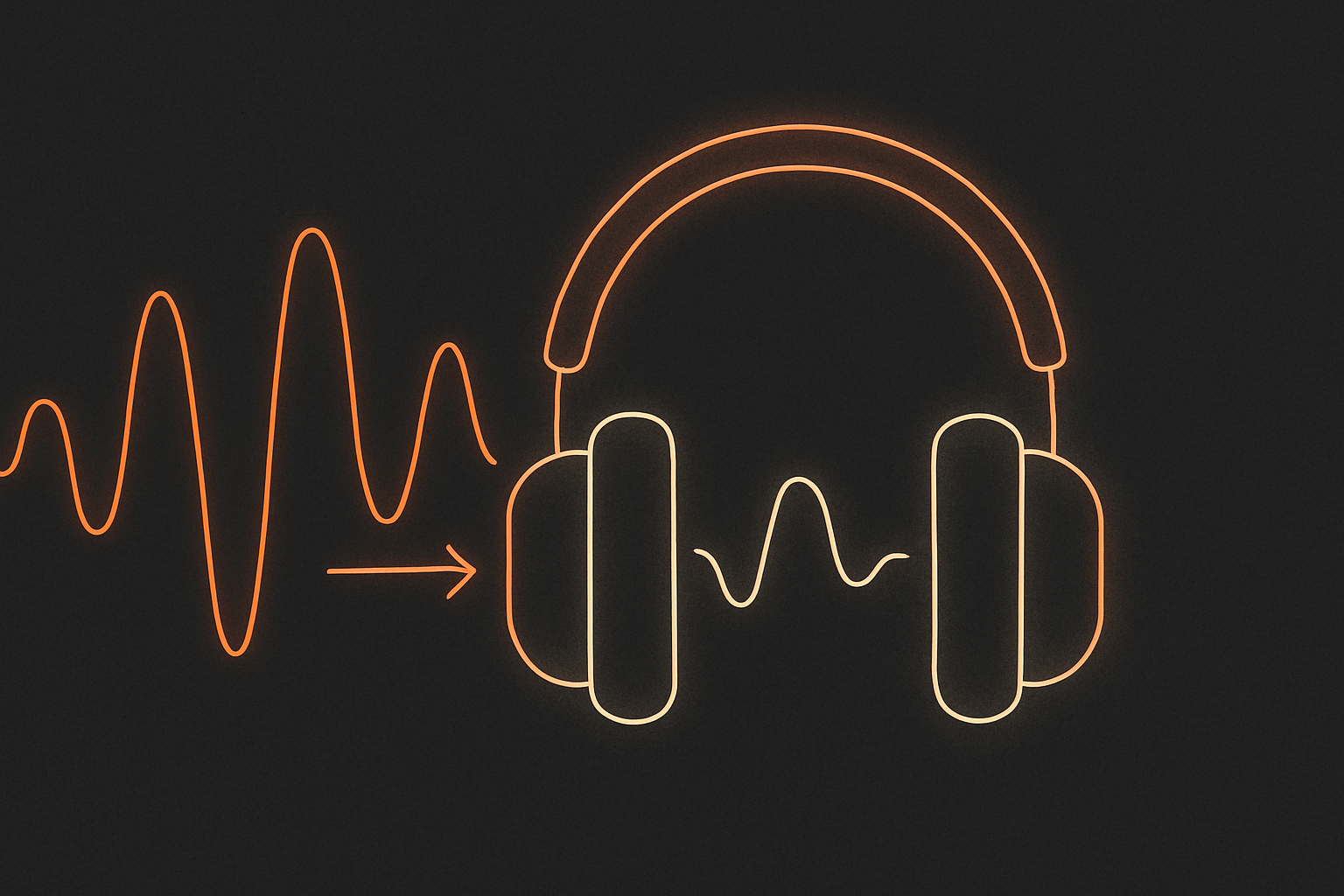
Noise-cancelling headphones use tiny microphones to pick up outside sounds and then create opposite sound waves to cancel them out, making the noise less noticeable.
Featured in the Monday, August 10 edition →
It's often said that noise-cancelling headphones are the same as ear defenders—in fact, they reduce some sounds for comfort and clearer listening but are not automatically rated to protect hearing from dangerously loud noise.
This technology helps people enjoy music or focus in noisy places by reducing distractions, improving comfort and audio experience in everyday life.
It's like if someone is making a loud noise and you shout the exact opposite sound to cancel it so you can hear your music better, just like magic earplugs.
Noise-cancelling headphones are common tools for commuting, working and travelling, so knowing what they do can help you choose when to use them and how to use them comfortably.
Imagine sitting on an airplane with the engine making a steady hum. The headphones' microphones pick up that hum, the electronics make an opposite wave, and the two waves meet near your ears so the engine sounds quieter while your music remains audible. If a flight attendant speaks nearby, the changing voice may still stand out because it is harder to cancel perfectly.
They work best on steady sounds
The technology is especially helpful with ongoing noises like an engine, fan or air conditioner, which are easier for the headphones to track and soften.
Some sound can still get through
Sudden, changing sounds such as nearby voices may still be noticeable, even when noise cancelling is switched on.
A good fit helps too
Headphones that sit snugly over or in your ears can block some outside noise on their own, giving the noise-cancelling feature less work to do.