How Vaccines Train the Immune System
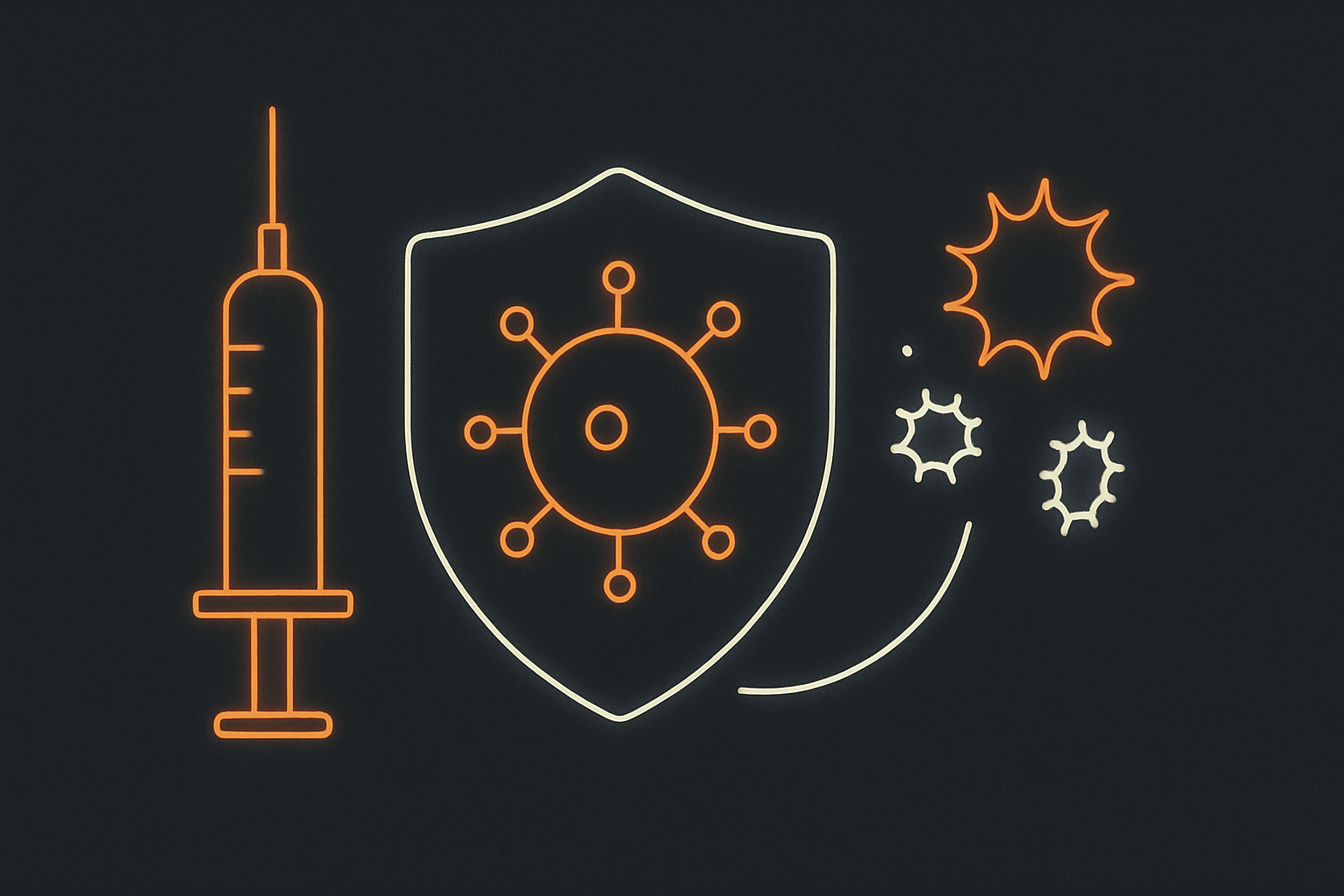
Vaccines work by introducing a safe piece or version of a germ to the body, which trains the immune system to recognize and fight the real germ if it appears later.
It's often said that getting the disease is a better way to build immunity — in fact, vaccination can prepare the immune system without making someone go through the disease and its risks.
Vaccines help prevent diseases by preparing the immune system in advance, reducing illness and protecting communities through herd immunity.
It's like showing your body a picture of a bad guy so it knows who to catch if the bad guy comes to visit.
Understanding how vaccines work can help people make informed choices about routine shots and see why keeping vaccinations up to date matters for both themselves and those around them.
Imagine Maya gets a vaccine several weeks before she is exposed to a particular germ. Her immune system studies the vaccine and prepares antibodies and memory cells, so when the real germ later appears, those defenses can respond faster and may keep her from becoming seriously ill.
Different vaccines use different lessons
Some vaccines use a weakened or inactive germ, while others use instructions that help the body make a harmless piece of it for the immune system to study.
Protection can fade over time
Because immune protection may weaken or germs can change, booster doses can refresh the body's memory and strengthen its response.
Vaccines protect vulnerable people
When more people are protected, germs have fewer chances to spread to babies, older adults, and others who may be more likely to get very sick.