How Caffeine Keeps You Awake
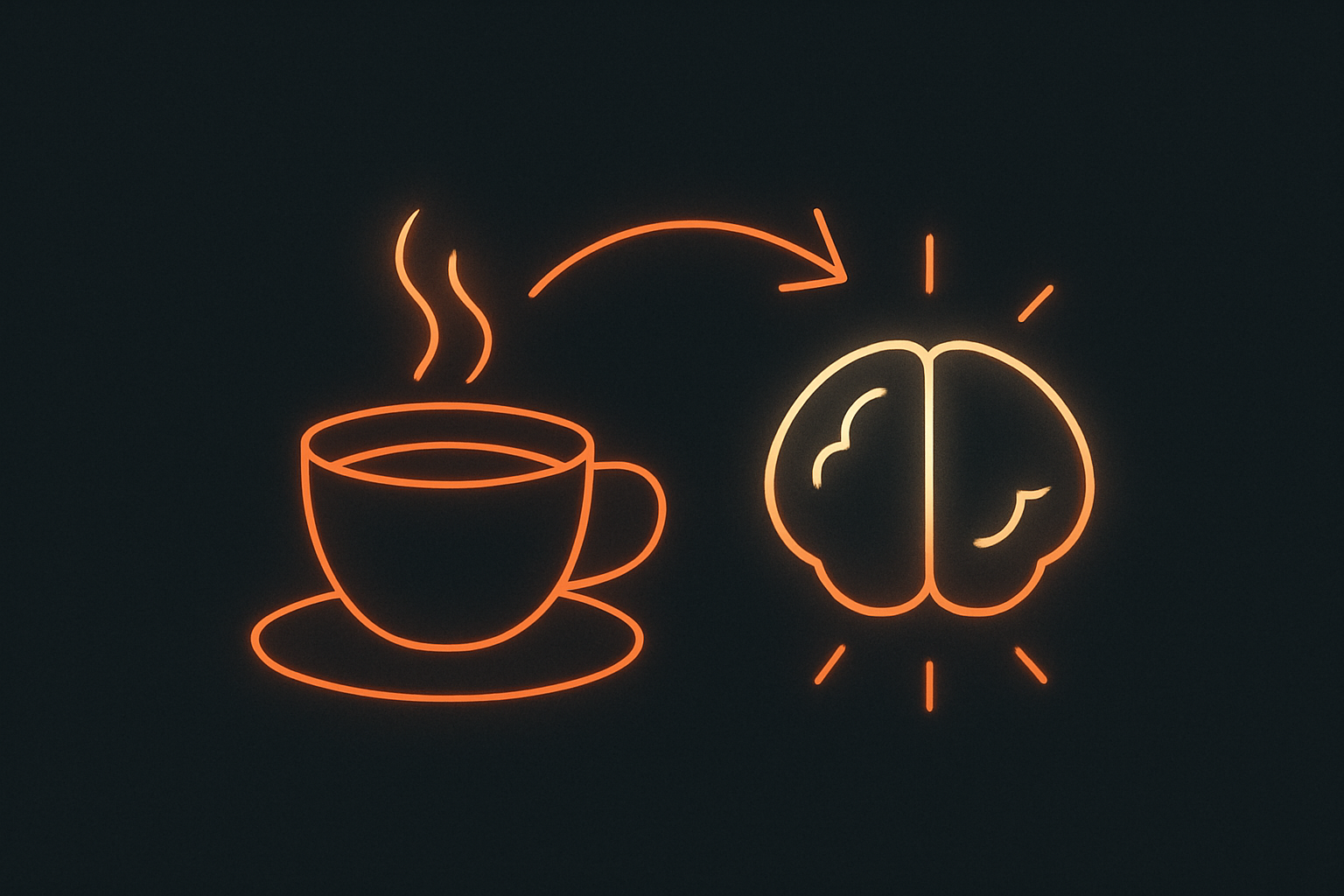
Caffeine keeps you awake by blocking adenosine receptors in your brain, which prevents the feeling of tiredness.
Featured in the Friday, August 14 edition →
It's often said that caffeine replaces the rest you lose — in fact, it can make tiredness less noticeable without giving your body all the benefits of sleep.
Understanding how caffeine works helps us use it wisely to boost alertness without disrupting sleep patterns too much.
Imagine your brain has tiny sleepy buttons that tell you to rest; caffeine covers those buttons so you don't feel sleepy.
Caffeine is part of many daily routines, from morning coffee to afternoon tea, so knowing how long its effects can linger can help you choose when it will be most useful.
Imagine Ari drinks a caffeinated tea before a long afternoon meeting. The caffeine reaches the brain and occupies some of the places where adenosine would send its sleepy message, so Ari feels more alert for a while. As the caffeine is gradually cleared, that message becomes easier to notice again, and Ari may realize how tired they really are.
Adenosine keeps building up
As you stay awake, adenosine gradually builds up in your brain, which is one reason tiredness often grows through the day.
The tiredness can return later
When caffeine wears off, the adenosine that was waiting can start working again, sometimes bringing back the feeling of sleepiness.
Timing can affect bedtime
Caffeine taken later in the day may make it harder to fall asleep because its alerting effect can last into the evening.