How End-to-End Encryption Works
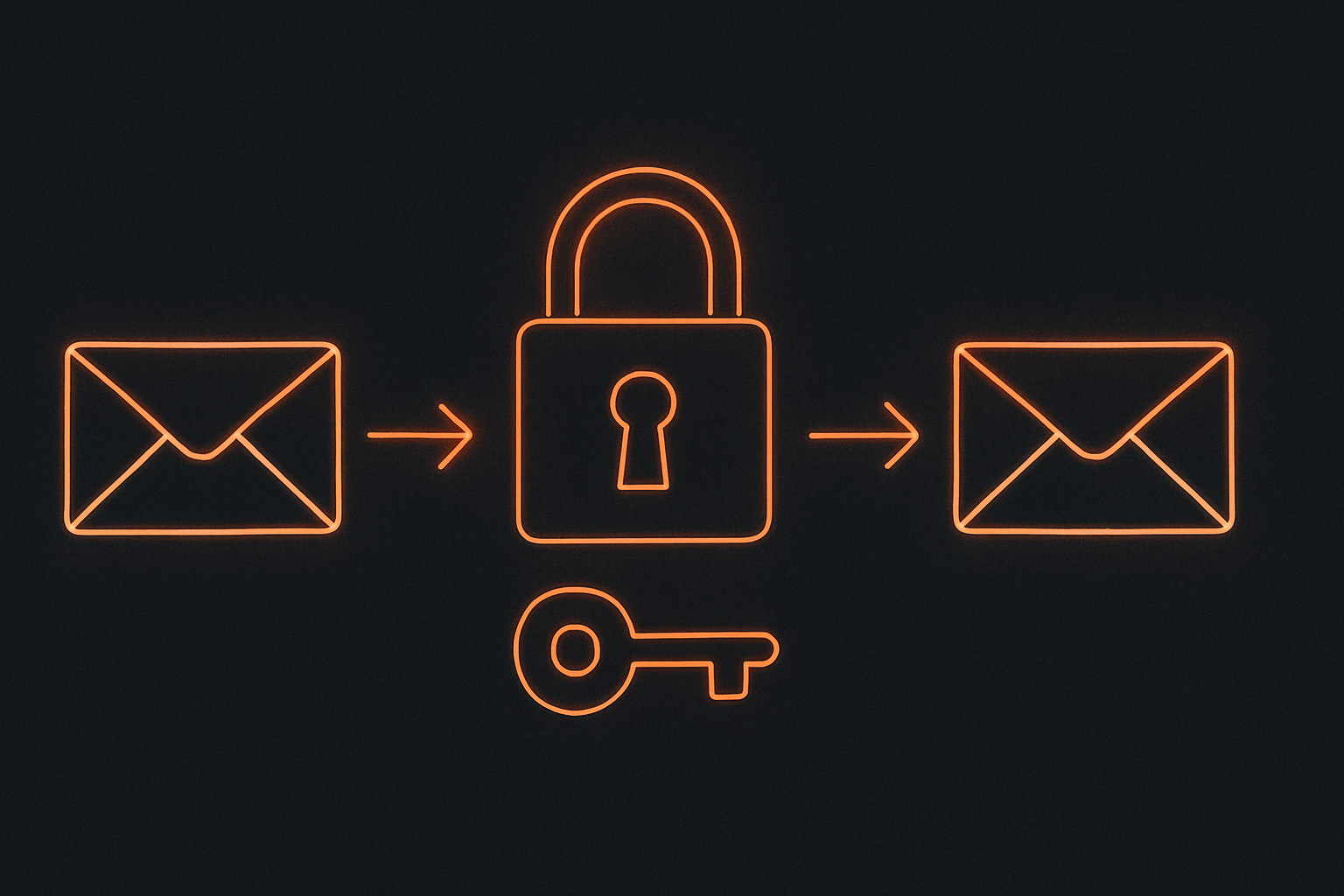
End-to-end encryption means that only the sender and receiver can read the messages because they are scrambled in a way that no one else, not even service providers, can unscramble.
It's often said that end-to-end encryption makes a conversation completely anonymous—in fact, it mainly protects the message's contents, while details such as who contacted whom and when may still be visible.
This is important because it keeps our private conversations safe from hackers, governments, or anyone trying to spy, helping protect our privacy in the digital world.
It's like sending a locked box that only you and your friend have the key to; even if someone else gets the box, they can't open it.
More of our everyday life happens through messages, from family chats to work plans, so it helps to know who can access what we share. Understanding encryption also makes it easier to choose services that match the level of privacy you want.
Say Maya sends “Meet at 6” to Luis in an encrypted chat: her phone turns the words into unreadable data before sending them, the service passes that data along, and Luis's phone turns it back into the original message. The service can help deliver the message without needing to know what it says.
Each chat has its own keys
Encrypted messaging services use special digital keys to scramble a message on one device and unlock it on the other.
Your device still matters
Encryption protects messages while they travel, but someone who can unlock your phone may still be able to read them.
Backups can change privacy
If chats are saved in a cloud backup, the backup's security settings can affect who is able to access those saved messages.