How the Offside Rule Works in Soccer
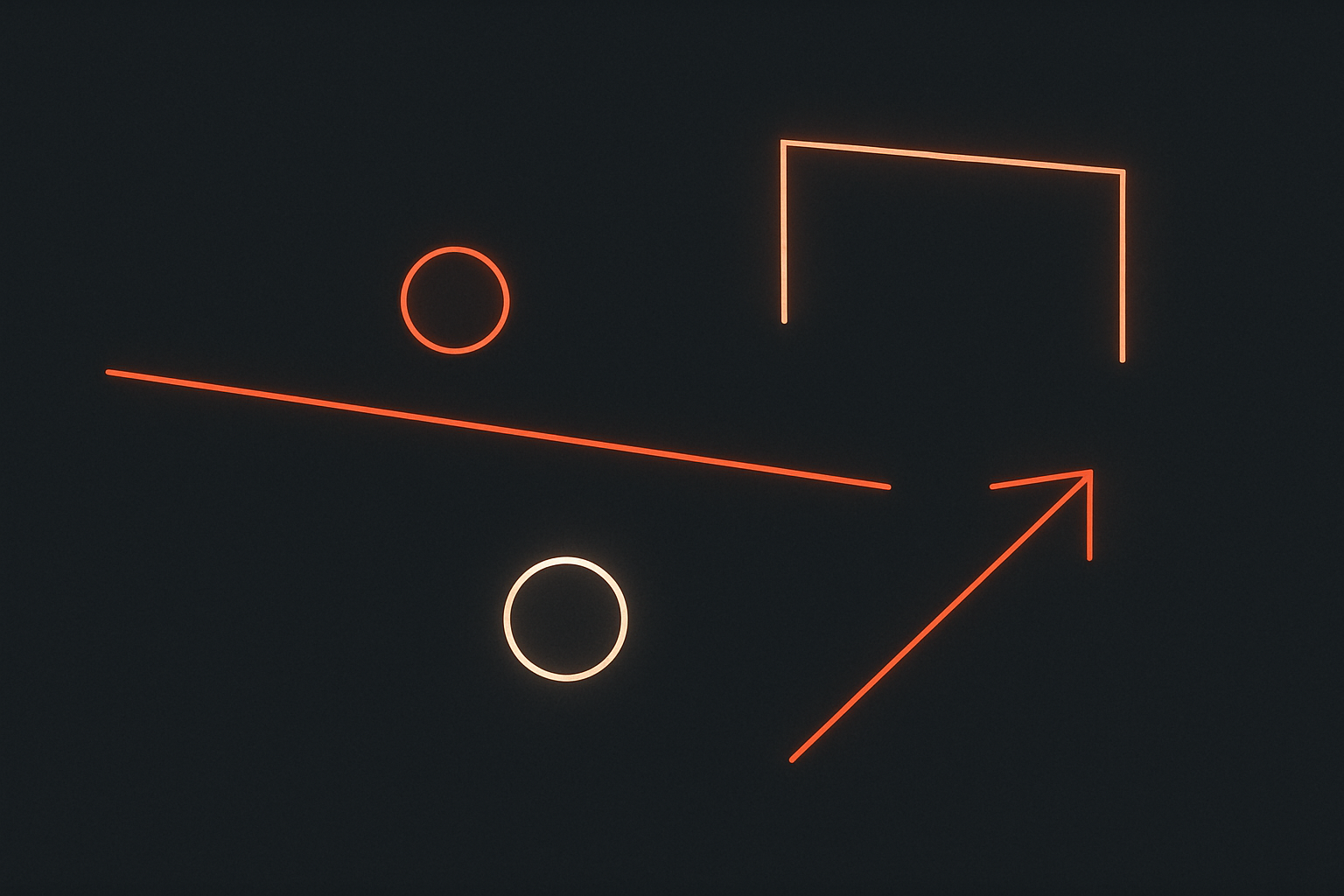
The offside rule in soccer means a player is offside if they are nearer to the opponent's goal line than both the ball and the second-last defender when the ball is passed to them, unless they are in their own half.
Featured in the Monday, August 10 edition →
It's often said that any part of an attacker's body beyond the line makes them offside—in fact, hands and arms do not count because they cannot legally score a goal.
The offside rule keeps soccer fair and exciting by preventing players from just waiting near the goal to score easily, encouraging teamwork and skillful play instead.
Imagine playing tag and you can't stand too close to the finish line before your friend throws you the ball; that's like the offside rule making sure you don't get an unfair head start.
Knowing the offside rule makes it easier to follow close calls during matches and understand why a goal or promising attack may be stopped.
A blue teammate sends a forward pass toward Maya and Leo. At the instant the ball is kicked, Maya is level with the second-last defender, but Leo is beyond that defender and later reaches the ball first. The referee stops play for Leo, while Maya's position does not make the whole team offside.
The timing of the pass matters
A player can run beyond defenders after their teammate kicks the ball, as long as they were in an onside position when the pass was made.
Being offside alone is allowed
The referee only stops play when a player in an offside position gets involved, such as receiving the ball or blocking an opponent.
Some restarts have exceptions
Players cannot be offside directly from a goal kick, corner kick, or throw-in, which lets teams restart play more freely.