What Cortisol Does in the Body
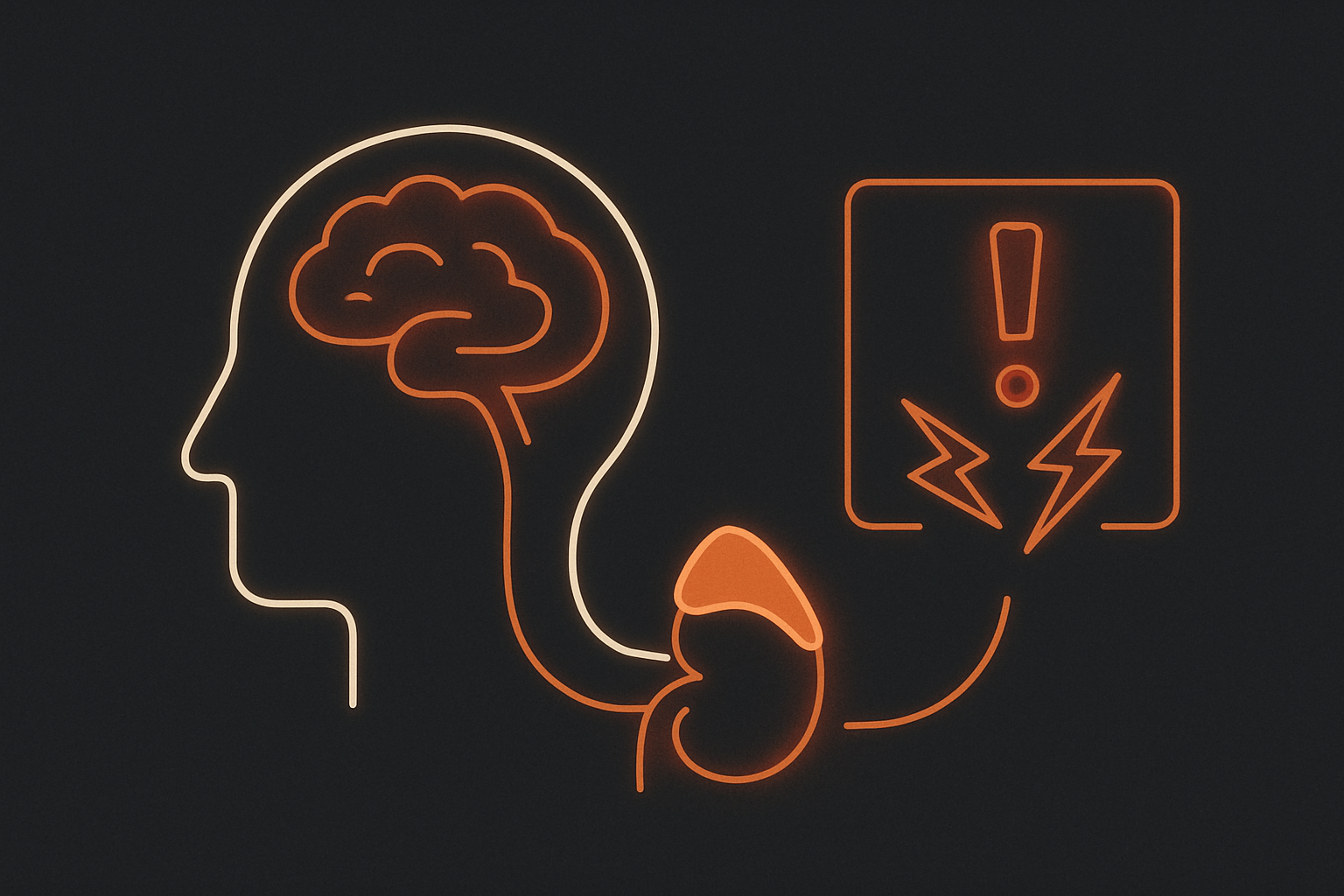
Cortisol is a hormone that helps the body respond to stress by regulating energy levels, immune response, and metabolism.
It's often said that cortisol is simply a harmful stress chemical—in fact, the body needs it, and one feeling or symptom cannot prove that cortisol is the cause.
Understanding cortisol is important because it plays a key role in how our body handles stress and keeps us balanced, but too much or too little can affect our health.
Cortisol is like your body's alarm system that wakes you up and helps you deal with tough situations by giving you energy and keeping you healthy.
Stress is part of daily life, and knowing how cortisol works can help people make sense of why sleep, regular meals, movement, and recovery time affect how they feel.
Imagine a driver suddenly brakes to avoid a crash: the brain detects danger and sends signals that help release stress hormones. Adrenaline may create a quick burst of alertness, while cortisol helps keep energy available as the driver stays focused. Once the danger passes, those signals quiet down and the body can begin returning to its usual state.
It follows a daily rhythm
Cortisol levels usually rise in the morning to help you wake up and gradually fall later in the day to support rest.
It helps manage fuel
When your body needs quick energy, cortisol helps make more fuel available by influencing how it uses sugars, fats, and proteins.
Long-lasting stress can strain balance
When stress stays high for a long time, cortisol can contribute to problems with sleep, mood, digestion, and immune function.