Understanding the Gut Microbiome
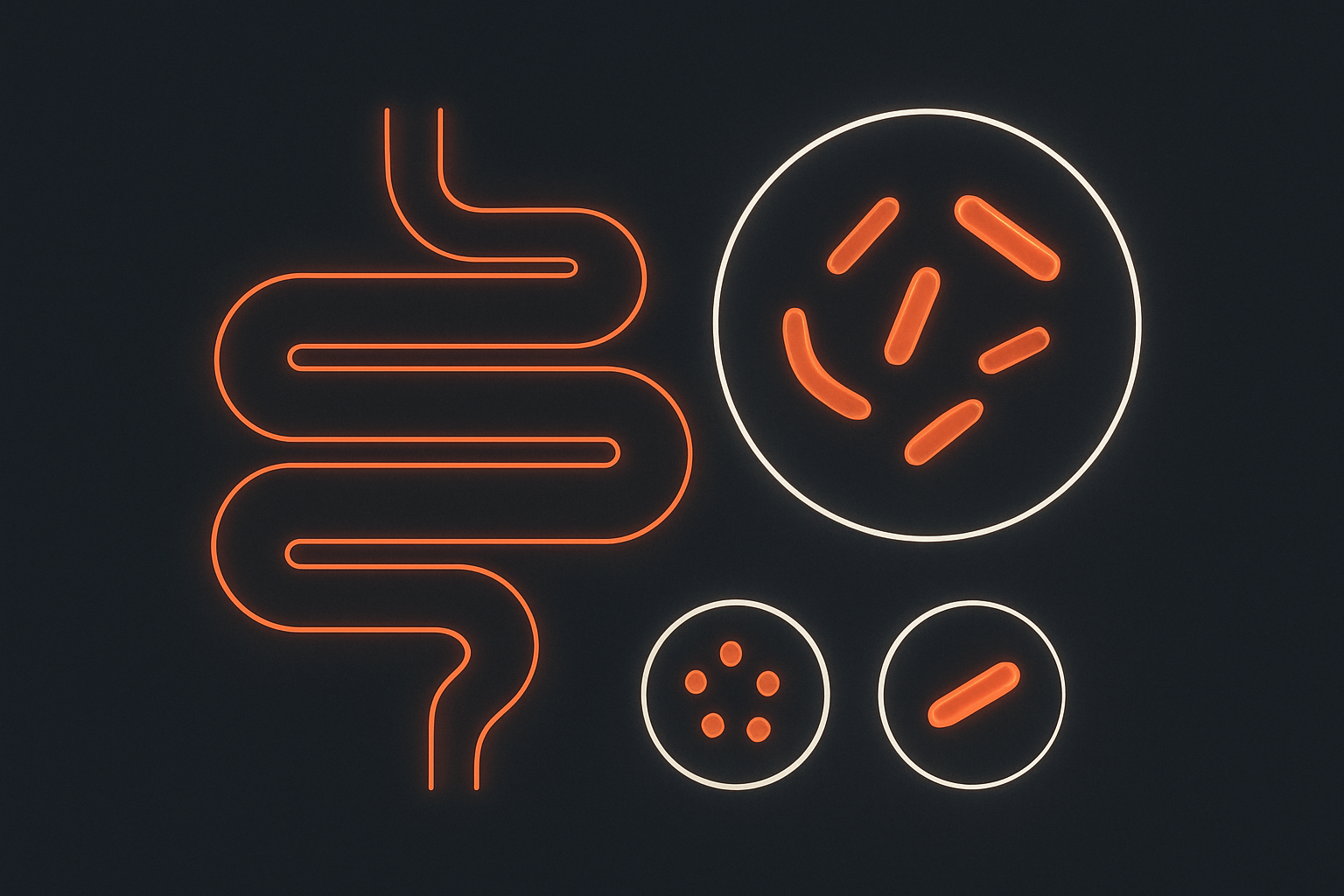
The gut microbiome is the community of trillions of microorganisms living in our digestive system that help with digestion, immunity, and overall health.
It's often said that taking any probiotic will automatically improve your gut — in fact, effects can depend on the particular strain, the person, and the problem being addressed. A supplement is not a universal substitute for nourishing the microbes already living in your gut.
The gut microbiome plays a crucial role in how our bodies process food and fight off sickness, and scientists are learning how it affects everything from mood to chronic diseases.
Imagine your tummy is like a garden where tiny bugs live; these bugs help you break down food and keep you healthy, just like plants need bugs to grow well.
As interest in food, supplements, and personalized health grows, understanding the gut microbiome can help people separate everyday supportive habits from overblown promises. It also highlights why a varied diet can matter beyond basic nutrition.
Say someone suddenly adds a large serving of beans to every meal: some of the beans' fiber passes through the small intestine and reaches the large intestine, where microbes break it down and make small compounds the gut can use. That fermentation can also create extra gas at first, so adding the beans in smaller portions gives the digestive system time to adjust.
Food feeds your gut helpers
Many gut microbes thrive on fiber from foods like fruits, vegetables, beans, and whole grains, producing helpful substances as they break it down.
Antibiotics can shift the balance
Antibiotics can be lifesaving when needed, but they may also affect helpful gut microbes along with the germs causing an infection.
There is no single ideal mix
Each person’s microbiome is shaped by factors such as diet, environment, and life experiences, so a healthy mix can look different from one person to another.