Why Concert Tickets Cost So Much
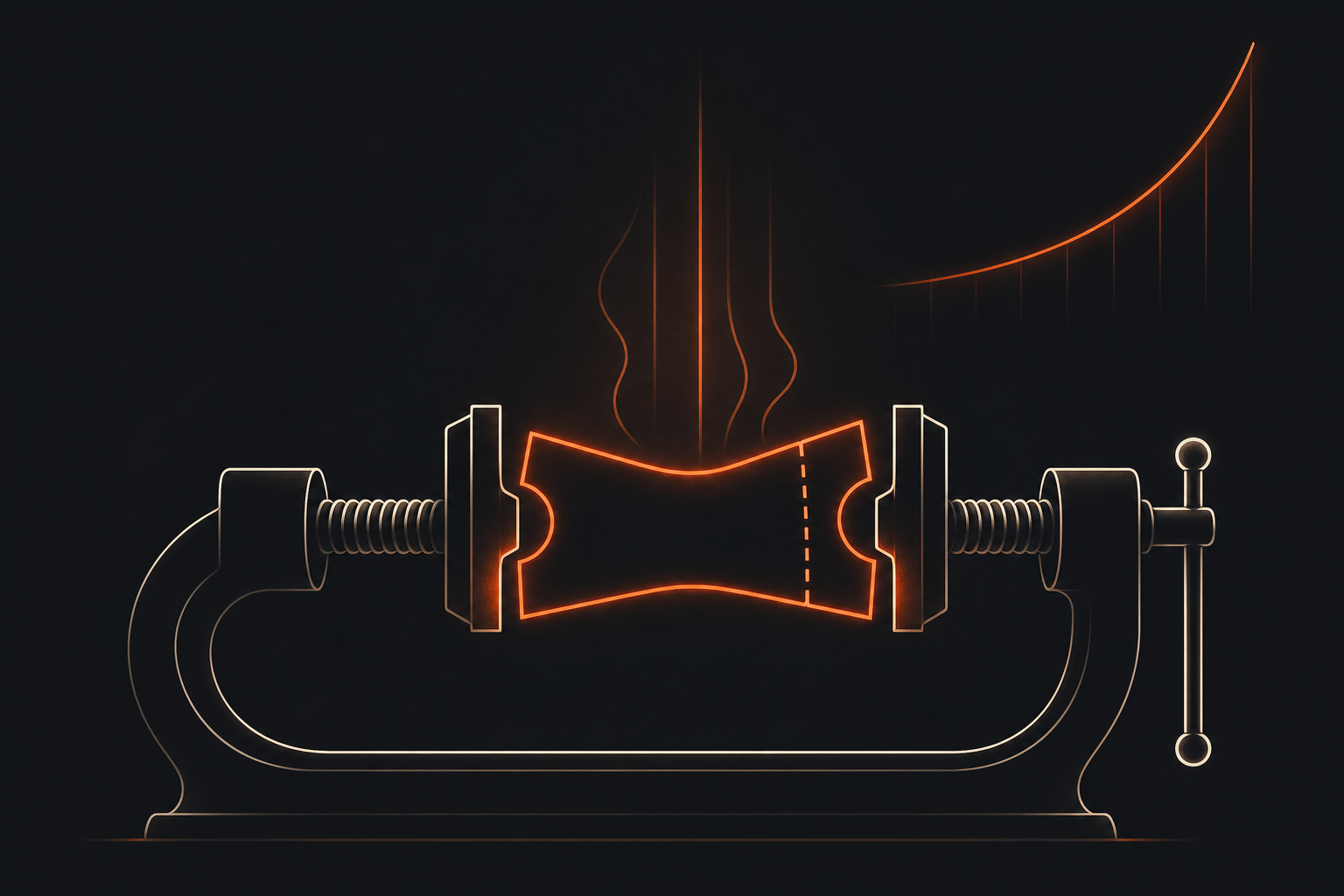
Concert tickets are expensive because limited seats meet strong demand, while venue costs, artist payments, promotion, and ticketing fees all add to the final price.
It's often said that the performer personally sets and collects the whole ticket price — in fact, pricing and payment are usually shaped by agreements among the artist, promoter, venue, and ticketing companies.
A ticket price reflects both the cost of putting on a show and the market value of seeing a particular artist live. The amount printed on the ticket may also differ from the total paid at checkout.
Imagine many people wanting the same small box of cookies: the seller can charge more because there are only so many cookies, and making and delivering them costs money too.
Understanding the price breakdown helps separate genuine production costs from added fees and explains why popular shows can become unaffordable even when performers sell many tickets.
Suppose a ticket is advertised at $60 and a fan pays an extra $12 in checkout charges, making the total $72. If that fan later resells the ticket for $100, the new buyer is paying a resale markup that may go to the seller and resale platform rather than to the original show.
Seats are a scarce resource
A venue can sell only the seats and standing spaces it physically has, so extra demand cannot be met simply by making more tickets.
Prices can vary by demand
Promoters may use different prices for different sections or adjust prices as interest changes, meaning two nearby seats can cost very different amounts.
Fees hide the full cost
Service, facility, delivery, and processing charges may be added separately, making the advertised ticket price lower than the final checkout total.