Why allergies happen
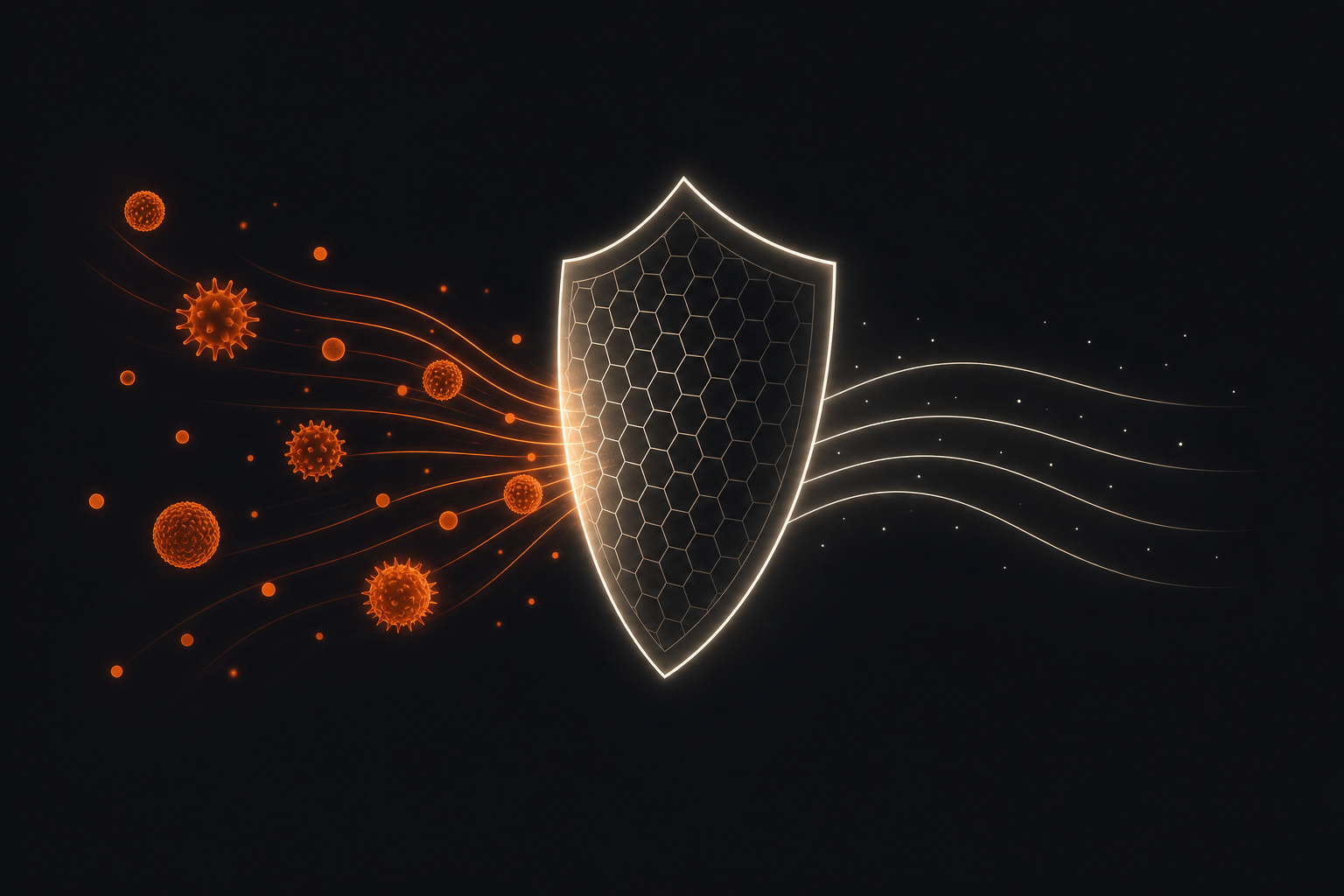
Allergies happen when the immune system mistakenly treats a harmless substance as a threat and launches an overactive defensive response.
It's often said that any unpleasant reaction to a food is an allergy — in fact, some reactions come from intolerance or irritation and do not involve the same immune response.
Allergies are not caused by the substance being poisonous; they result from the body’s mistaken decision about what counts as danger. The reaction can affect the skin, nose, lungs, eyes, or digestive system.
It is like a security guard sounding an alarm when someone harmless walks in, because it has mistaken them for an intruder.
Understanding the difference between an allergy and ordinary irritation can make symptoms easier to recognize and explain. It also clarifies why the same substance may bother one person but not another.
Imagine someone eats a food containing peanuts and has no obvious reaction the first time, but their immune system prepares antibodies against peanut proteins. On a later exposure, those antibodies help activate immune cells, which release histamine and cause hives and swelling. The food caused an allergic reaction in that person, even though it is not dangerous to everyone who eats it.
The immune system remembers
After an initial exposure, immune cells can make antibodies that help trigger a faster, stronger reaction the next time the allergen appears.
Genes and surroundings both matter
A person’s inherited tendencies interact with factors such as exposure patterns and the way their immune system develops, so allergies often run in families without being guaranteed.
Symptoms come from chemical signals
During an allergic reaction, immune cells release substances such as histamine, which can cause swelling, itching, mucus, sneezing, or narrowed airways.