How Exercise Boosts Your Mood
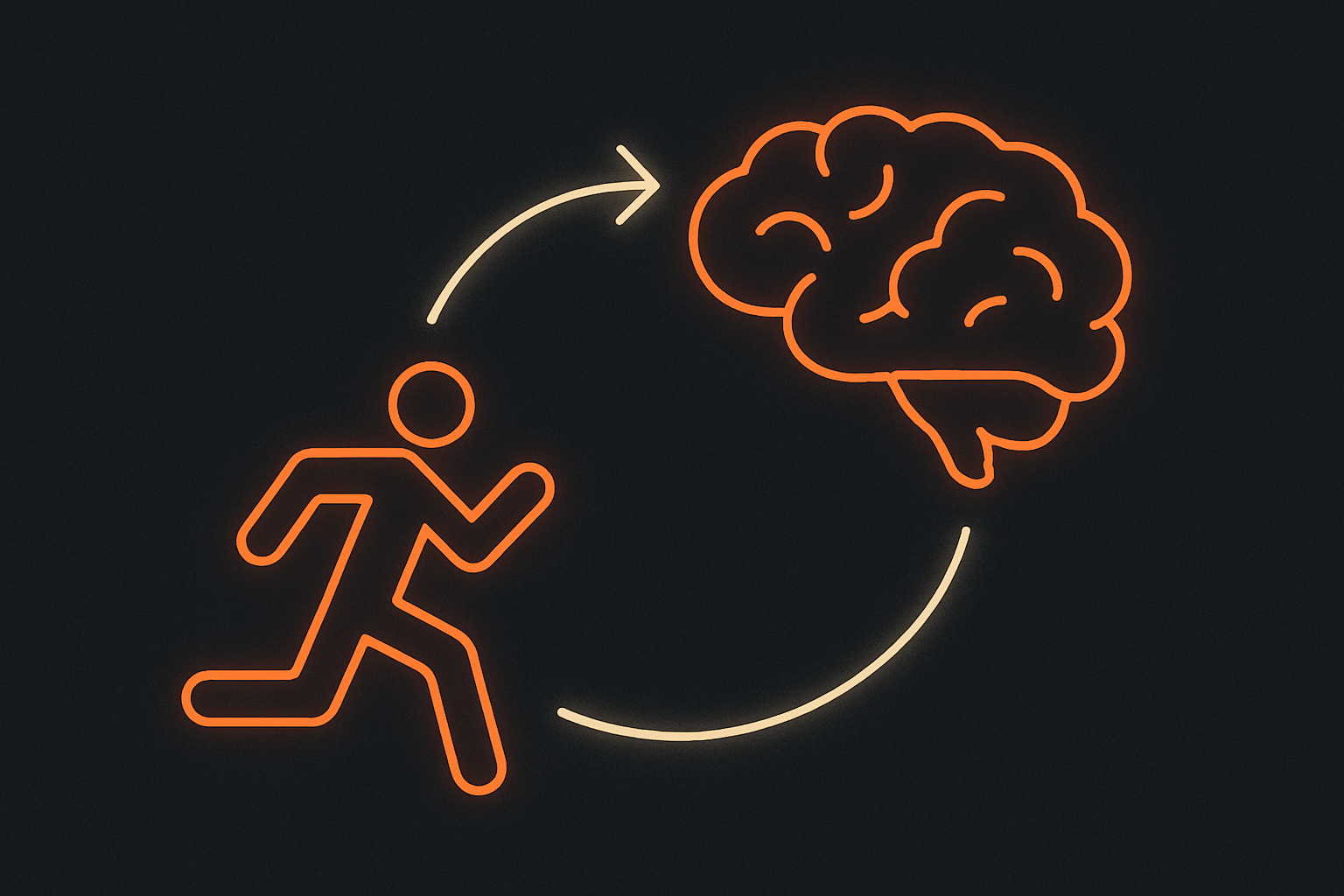
Exercise improves mood by triggering the release of feel-good chemicals like endorphins and serotonin in the brain.
It's often said that the mood lift from exercise is just an endorphin rush—in fact, several changes can contribute, including other brain signals, shifting attention, and the satisfaction of taking action.
Understanding how exercise affects mood helps people use physical activity as a natural way to manage stress and improve mental health.
Exercise is like shaking a soda bottle and then opening it—the happy bubbles (chemicals) come out and make you feel good.
When stress, low energy, or a tough day hits, it helps to know that movement can be one small tool for caring for your mind as well as your body.
After a tense video call, Lena takes a brisk ten-minute walk instead of staying at her desk. Her muscles work, her breathing changes, and her attention moves to the route and her surroundings; she may not feel cheerful, but she returns a little less wound up and more ready to handle the next task.
Any movement can help
A walk, a dance break, gardening, or playing outside can lift your mood because you do not need a formal workout to get moving.
The effect can build over time
Making movement part of your routine can give your brain regular chances to get those feel-good chemicals flowing.
Exercise can create a reset
Focusing on your breathing, steps, or stretches can pull your attention away from worries for a little while.