How Doctors Identify Infections
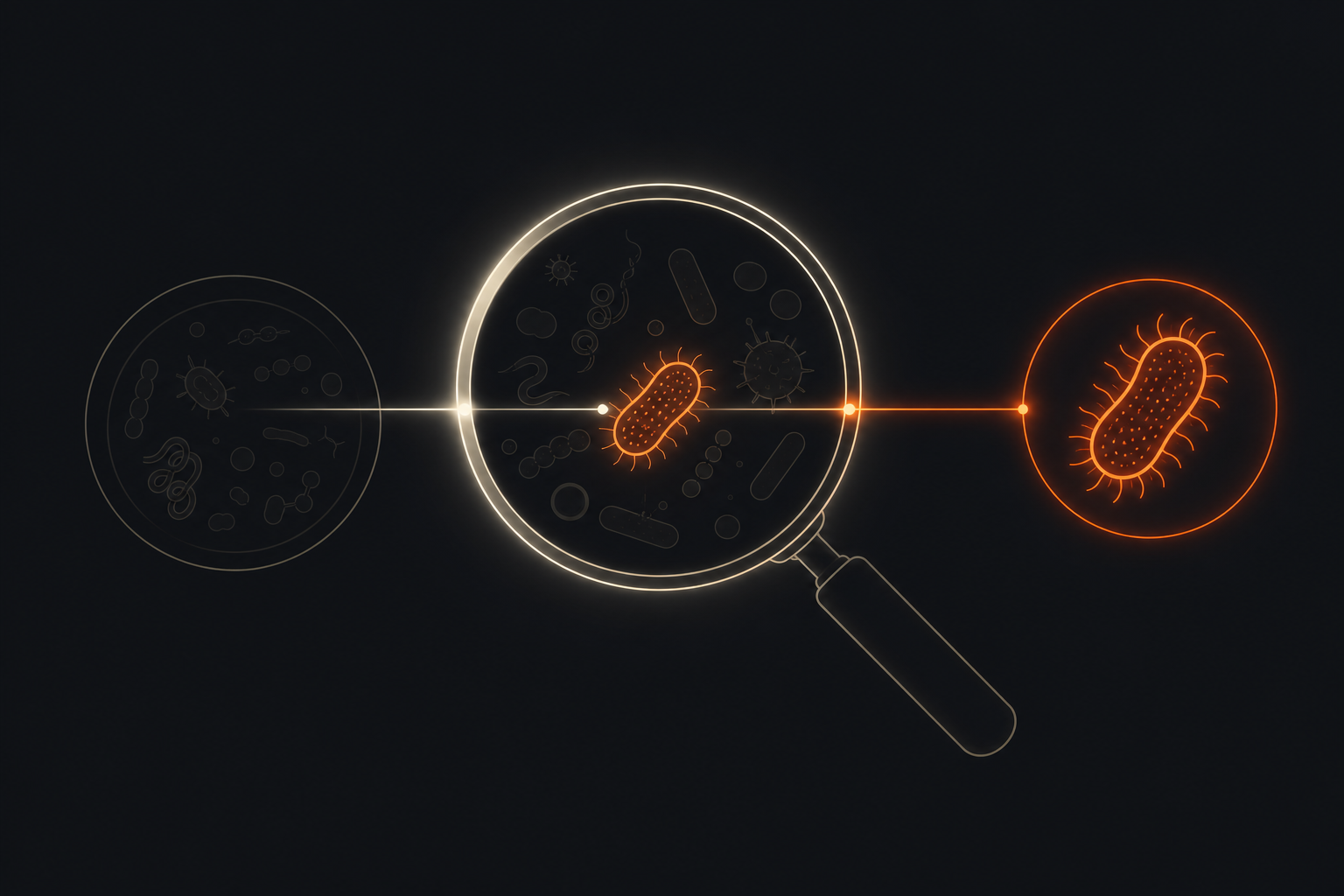
Doctors combine your symptoms and examination with tests on samples such as blood, urine, mucus, or tissue to identify what is causing the illness and choose the right treatment.
Featured in the Tuesday, October 6 edition →
It's often said that doctors can always tell the exact germ from symptoms alone — in fact, symptoms may suggest possibilities, while testing is sometimes needed to confirm the cause.
This process connects the exam room to medical laboratories, where trained staff and machines look for germs or the body's response to them. The results help guide treatment while avoiding medicines that are unlikely to help.
It is like solving a mystery: your symptoms are clues, and a sample from your body can give doctors a closer look at the germ or the signs it left behind.
Understanding the process is useful whenever someone is offered a test, prescribed an antibiotic, or told to wait for results, because different infections can cause similar symptoms but need different care.
Suppose someone has pain when urinating: the doctor asks about symptoms and examines them, then collects a urine sample. The laboratory checks for signs of infection and may look for the specific germ, allowing the doctor to choose treatment that fits the result.
Symptoms narrow the possibilities
Fever, pain, swelling, rash, cough, and other clues can suggest where an infection is located and what kinds of germs might be involved.
Tests answer different questions
Some tests look directly for a germ, while others look for antibodies, inflammation, or changes in body cells that show the immune system is responding.
Timing affects the result
A test can be less informative if the sample comes from the wrong place, is collected too late, or is taken after treatment has already begun.