Who Really Pays Tariffs
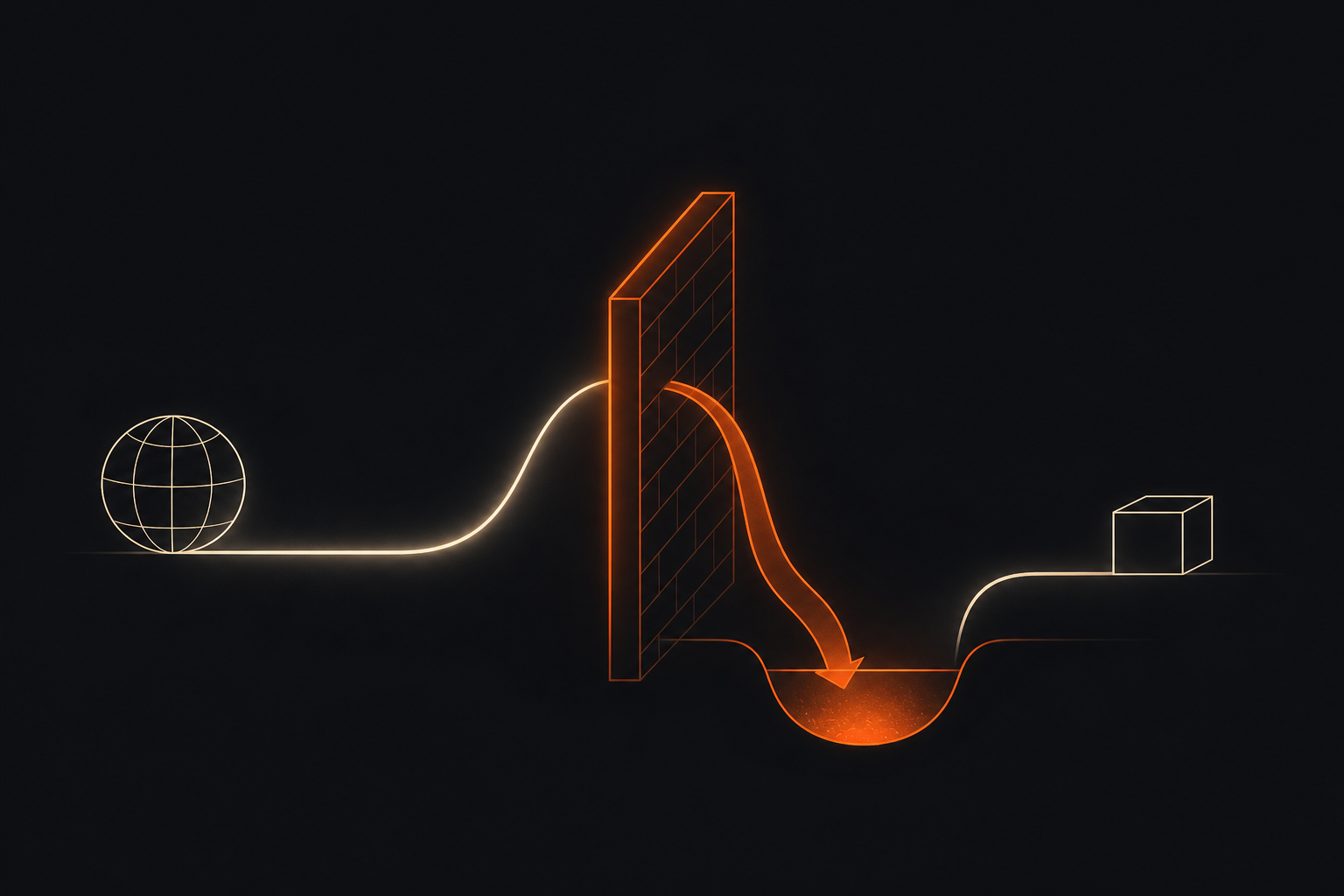
Importers pay tariffs to their own government, but the cost can spread to businesses, shoppers, workers, and foreign exporters through higher prices and reduced sales.
Featured in the Monday, August 24 edition →
It’s often said that a tariff automatically makes an imported item more expensive by the full tariff rate—in fact, the final price change depends on how importers, suppliers, and sellers respond.
Tariffs change the price and flow of trade rather than making foreign goods free of charge, so their effects can ripple through supply chains and household budgets.
A tariff is like a toll on goods crossing a border: the driver pays the toll booth first, but may charge passengers or the shipper more to make up the cost.
Understanding who bears the cost helps make sense of arguments about trade protection, prices, jobs, and whether tariffs actually strengthen domestic industries.
Say a store imports $1,000 worth of toys under a hypothetical 10% tariff: the store pays $100 to customs, making its cost $1,100 before other expenses. It might add that $100 to the shelf prices, accept a smaller profit, or negotiate a lower price with the toy maker. If the price rises, some shoppers may buy fewer toys or choose another product.
Importers handle the first bill
The company bringing a product into the country pays the customs charge, calculated according to the good’s value or quantity and the tariff rate.
Businesses choose how to share costs
An importer may raise prices, accept lower profits, switch suppliers, redesign the product, or negotiate lower prices from an overseas exporter.
Protection has trade-offs
Domestic producers may gain room to compete against imports, while companies that rely on imported parts can face higher costs and weaker demand.