Why Films Are Released in Different Windows
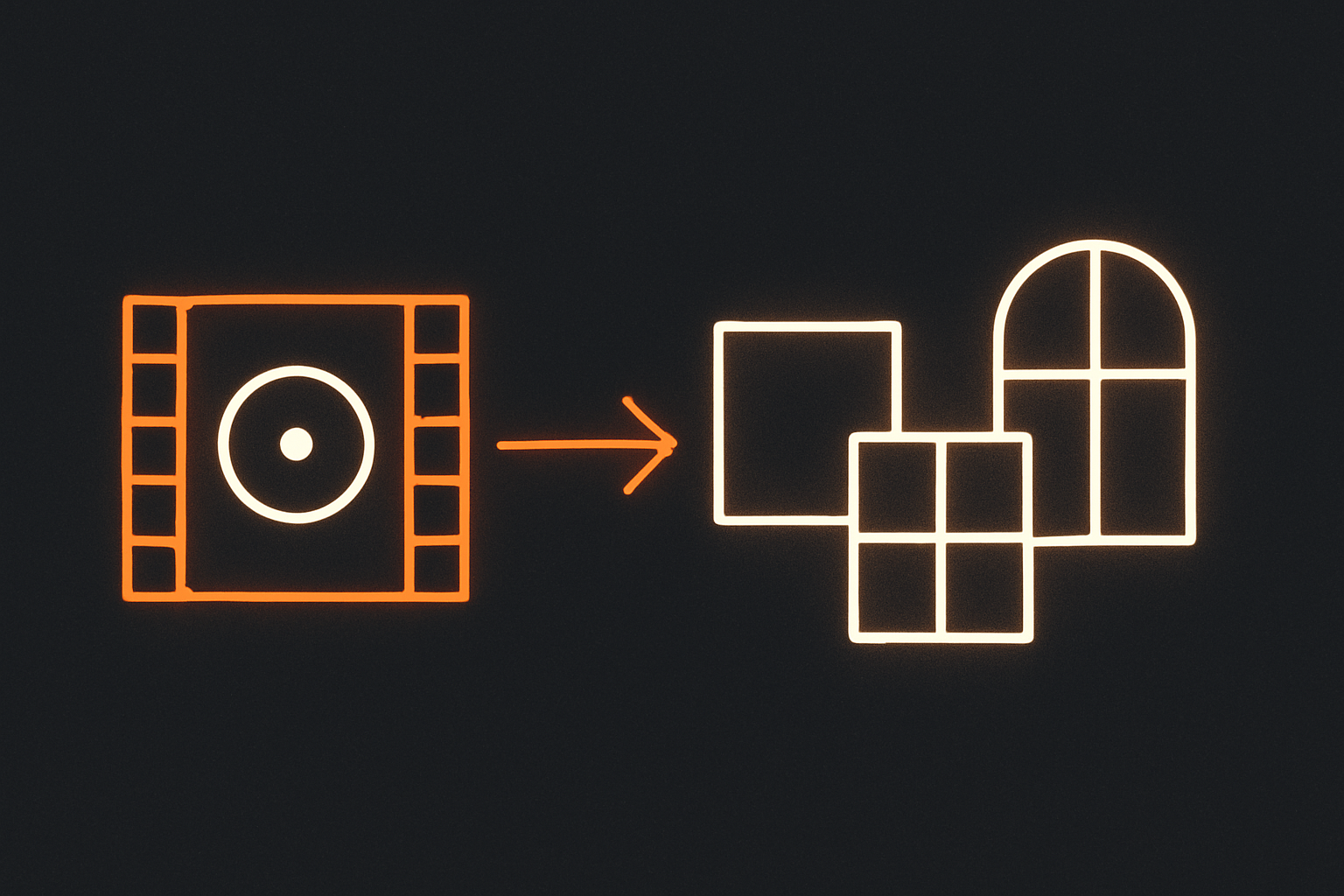
Studios release films in different windows like theaters, streaming, and DVD to maximize revenue by reaching audiences in stages.
It's often said that a movie has one release date — in fact, it can have different release dates for theaters, digital rentals, subscriptions, and physical copies, sometimes varying by country.
This strategy helps studios earn more money by giving people multiple ways to watch a movie over time, adapting to how people prefer to watch films.
It's like selling a toy first only in stores, then later letting kids play with it at home, so the toy maker makes money from both.
Where a film shows up first can affect how much you pay, when you can watch it, and whether you need to leave home to see it. Knowing the windows helps explain why a movie may be easy to find in one place but unavailable in another.
Imagine a film first playing only in theaters, then becoming available for a hypothetical $20 digital rental after that run, and later joining a subscription service. Someone who wants to watch immediately pays more for early access, while someone willing to wait watches through the subscription instead.
The first window can build buzz
A theater run can make a film feel like an event, with reviews, word of mouth, and shared audience excitement helping more people hear about it.
Different viewers choose different windows
Some people want the big-screen experience right away, while others are happy to wait until they can watch at home.
Windows can shape film choices
When studios plan how a movie will earn money over time, they may think differently about its budget, audience, and where it is most likely to succeed.