How Earthquakes Happen
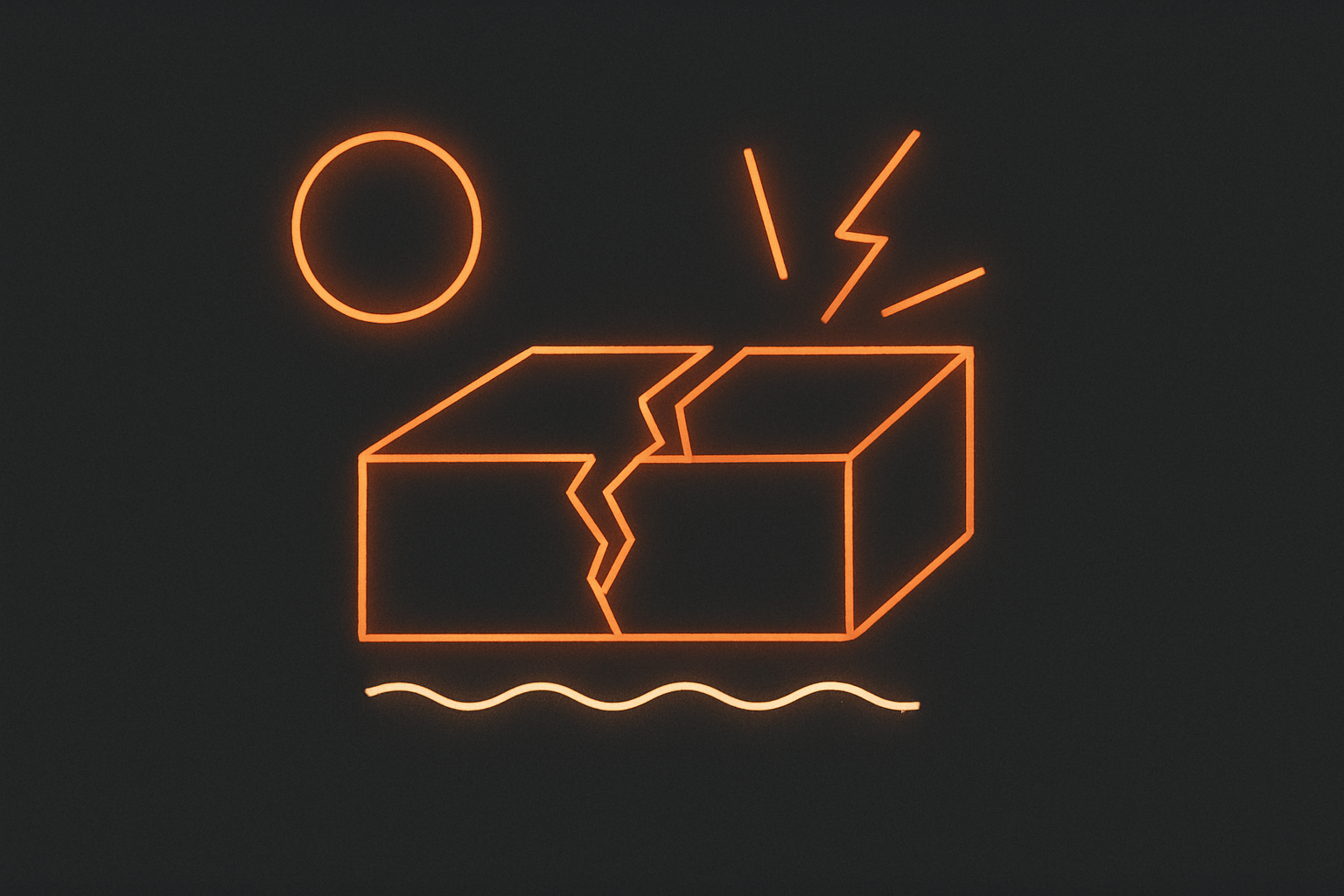
Earthquakes happen when underground rocks suddenly break or slip along cracks called faults, releasing energy that causes the ground to shake.
Featured in the Monday, August 10 edition →
It's often said that a doorway is always the safest place during an earthquake—in fact, getting under sturdy furniture, away from windows, and holding on is generally safer.
Understanding earthquakes helps us prepare for and reduce damage from these natural events, which can impact many people and places around the world.
Imagine bending a stick until it snaps; the sudden break makes a quick shake, just like the ground shakes when rocks underground suddenly break.
Knowing how earthquakes affect buildings, roads, and daily routines can help people make safer choices before and during shaking. It also helps explain why some places prepare more carefully than others.
Suppose two sections of rock along a fault are stuck while pressure slowly builds between them. When the rocks suddenly slip, energy spreads outward through the ground, making a nearby building shake and possibly sending objects from high shelves to the floor. After the shaking stops, people still need to watch for hazards such as broken glass, damaged walls, or later shaking.
Faults can move in different ways
Some faults slide sideways, while others push rocks up or pull them apart, which changes how the ground moves.
Shaking can travel far
Energy from an earthquake moves through the Earth as waves, so people far from the fault may still feel the ground shake.
Prepared spaces reduce danger
Securing heavy furniture and knowing where to take cover can help protect people when shaking starts.