How Fitness Trackers Count Your Steps
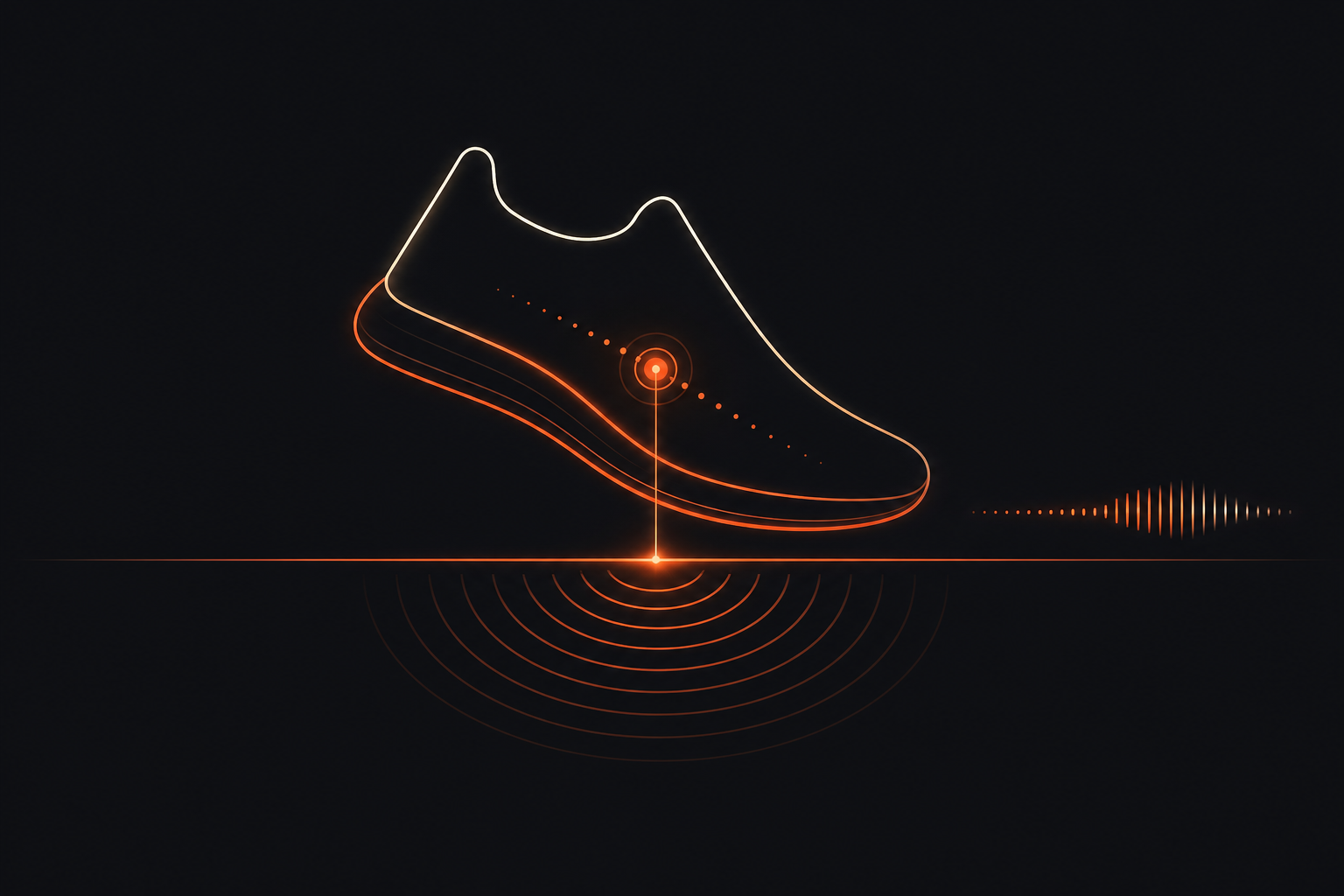
Fitness trackers use a motion sensor called an accelerometer, then software looks for repeated movement patterns that resemble walking to estimate your steps.
Featured in the Monday, October 12 edition →
It's often said that a tracker counts every step perfectly—in fact, it recognizes likely walking patterns and can miss steps or count other rhythmic movements.
The sensor collects movement data, while the tracker's software—and sometimes its companion phone app—turns that raw data into health estimates such as steps, distance, and activity time. Step counts are therefore measurements made by a device, not a direct tally of every foot touching the ground.
It is like a tiny motion detective listening for the gentle up-and-down rhythm of walking; when that rhythm repeats, it adds another step to the tally.
Knowing how the estimate works helps whenever a tracker shows a surprisingly high or low total, especially when you are comparing devices or deciding how much to trust a daily activity goal.
Say you place a tracker on your wrist and walk across a room: the accelerometer detects repeated changes in speed and direction, the software checks whether they fit a walking pattern, and the device adds the matching movements to your step total. If you wave that same arm while sitting, the movement may not match the pattern and may be ignored, though unusual motions can still confuse it.
Accelerometers sense movement
An accelerometer measures changes in motion along different directions, allowing the device to detect the rhythm and impact of your body moving.
Software filters random motion
The tracker uses rules and learned patterns to separate likely walking from isolated bumps, hand gestures, and other everyday movement.
Placement changes the estimate
A wrist tracker and a tracker worn on the waist may interpret the same activity differently because each location experiences a different motion pattern.