What Is Pneumonic Plague
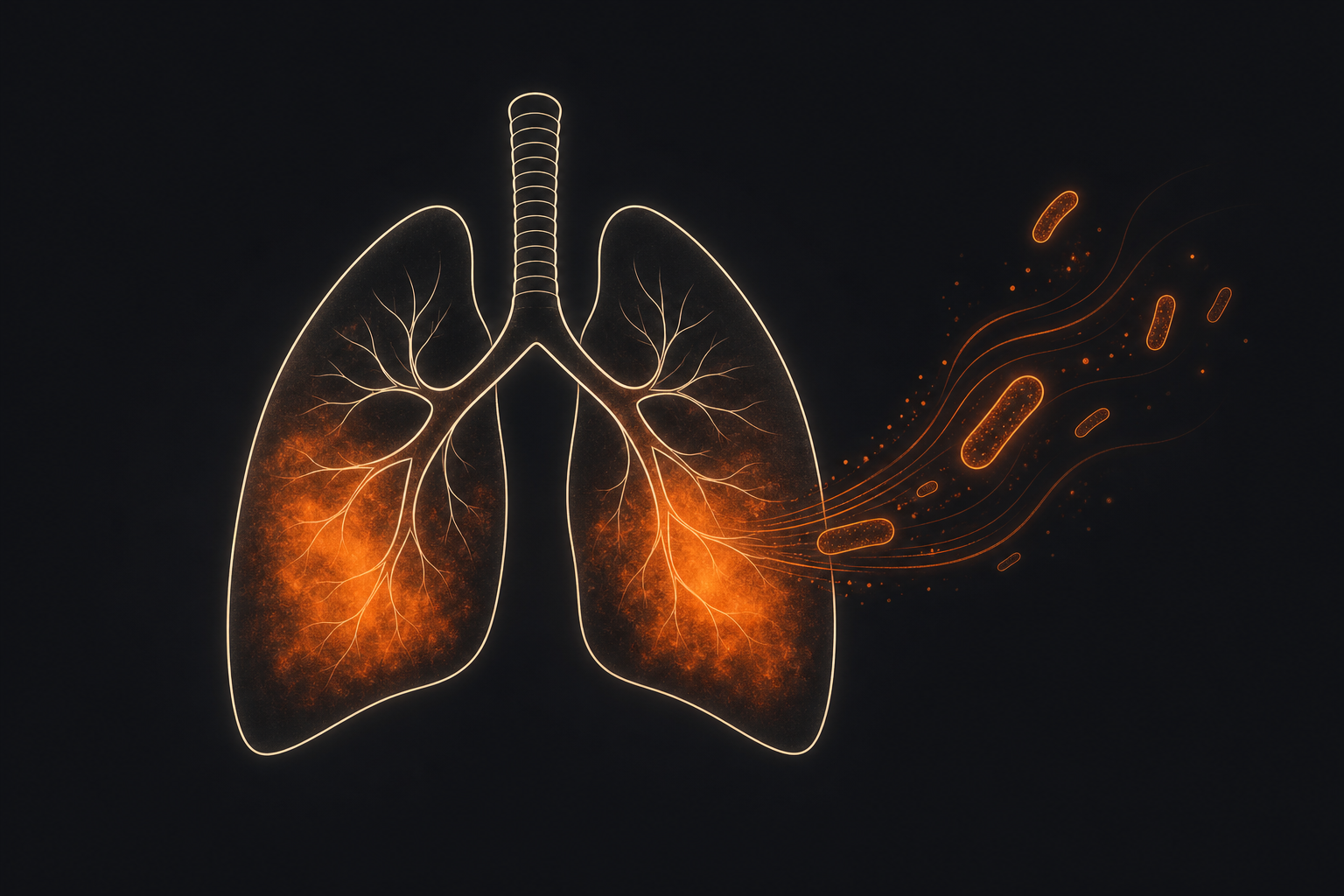
Pneumonic plague is a serious lung infection caused by the bacterium Yersinia pestis that can spread through respiratory droplets, but it can be treated with antibiotics when recognized promptly.
Featured in the Wednesday, October 7 edition →
It's often said that plague is only a disease from medieval history — in fact, the bacterium still exists in nature, though human cases are uncommon and modern antibiotics can treat it.
Pneumonic plague is part of the broader group of plague infections monitored by public-health agencies, which use testing, contact tracing, antibiotics, and infection-control measures to stop spread.
Think of plague bacteria as tiny invaders: in pneumonic plague, they get into the lungs, where they cause trouble breathing and can sometimes pass to another person in droplets from coughing.
Understanding the difference matters whenever a severe respiratory illness raises questions about contagiousness, because pneumonic plague requires faster public-health attention than many ordinary lung infections.
Imagine someone develops pneumonic plague and coughs near a close contact: droplets carrying the bacteria may be inhaled, the bacteria can infect the other person's lungs, and that person may then need urgent testing and antibiotic treatment.
It can begin elsewhere
Pneumonic disease may develop after plague bacteria spread from another part of the body, rather than entering the lungs directly.
Symptoms can become severe
Fever, weakness, cough, chest pain, and trouble breathing can worsen quickly, which is why suspected cases need immediate medical evaluation.
Close contact matters most
Person-to-person spread is mainly a concern when someone is exposed closely to respiratory droplets from an infected person, not from casual contact with every surface.