How DNA Testing Finds Relatives
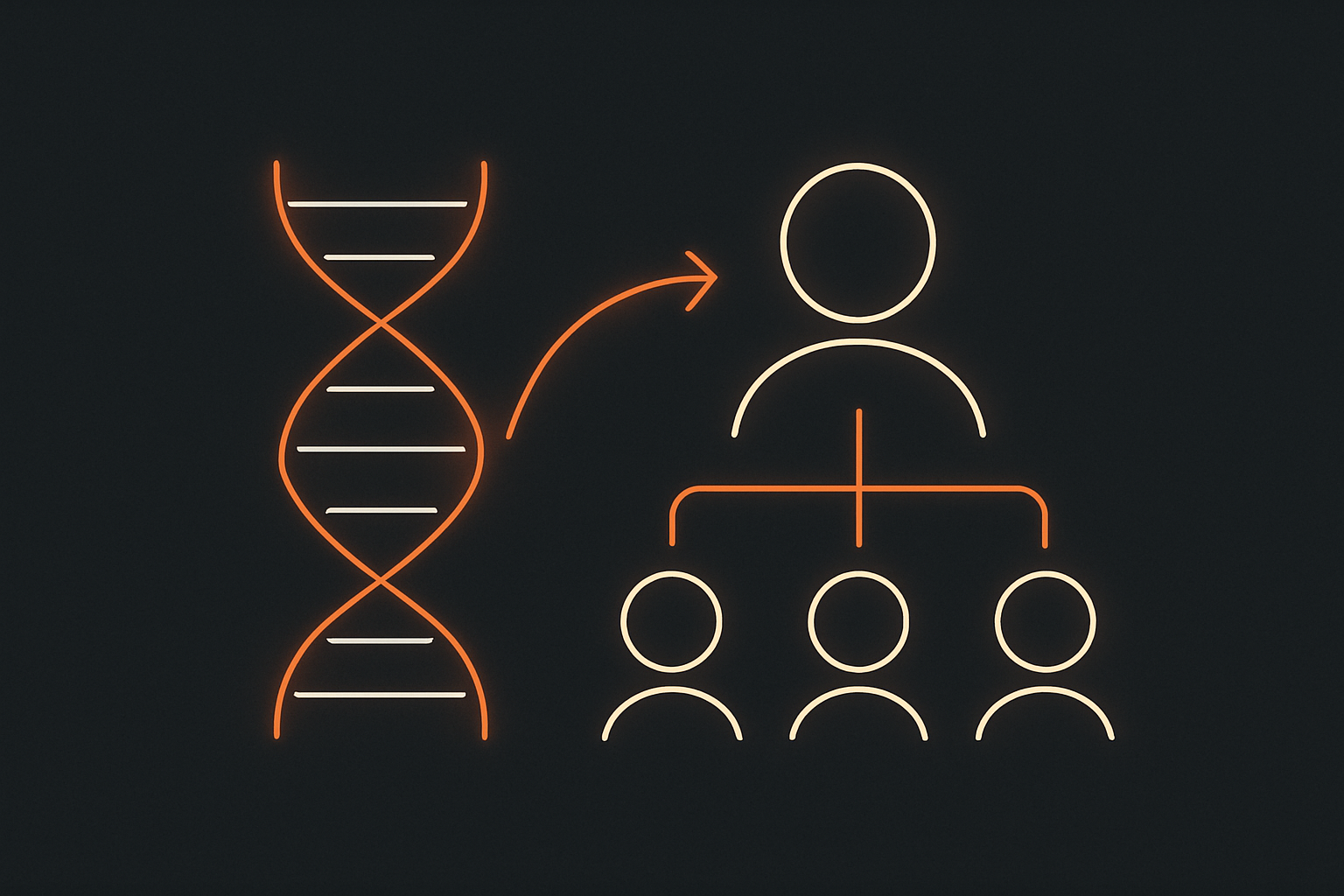
DNA testing finds relatives by comparing specific segments of DNA that are shared between people, indicating a common ancestor.
It's often said that a DNA match tells you exactly how two people are related—in fact, the same amount of shared DNA can fit more than one possible relationship, so other family information may be needed.
This matters because it helps people discover family connections they might not know about, understand their heritage, and can even assist in medical research or finding lost relatives.
It's like matching puzzle pieces; if two people have puzzle pieces that fit together, it means they come from the same big puzzle family.
DNA tests can reveal family links that affect personal choices about family history, health conversations, and how much information to share. Understanding what a match means helps people approach those discoveries thoughtfully.
Suppose Maya takes a DNA test and the company finds that she and Jordan share several long DNA segments. The company reports that their shared pattern could fit a few kinds of family relationship, so Maya compares family trees and known relatives to see which explanation makes sense. If the families connect through one great-grandparent, that shared ancestor explains how the matching pieces reached both of them.
Closer relatives share more
People who are closely related usually share more matching DNA segments than people connected through a more distant ancestor.
Matches can bring surprises
A DNA result may uncover relatives or family stories that someone did not know about before, so it can bring both happy and complicated feelings.
Privacy choices matter
Before taking a test or sharing results, it helps to check how the company stores DNA information and who may be able to see it.