How AI Chatbots Learn Their Boundaries
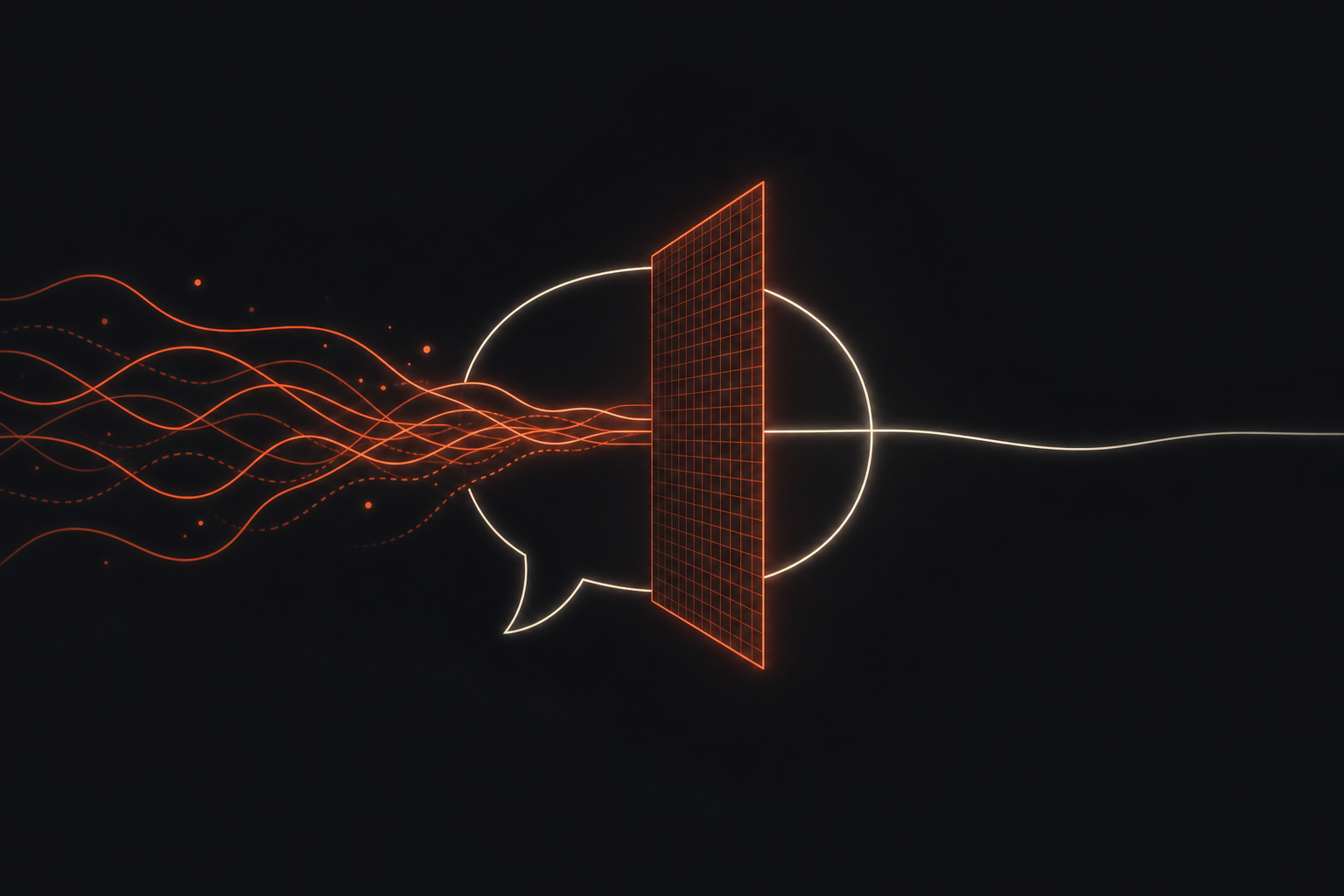
AI chatbots learn what not to say through training examples, human feedback, and safety rules that steer them away from harmful or restricted responses.
Featured in the Monday, September 28 edition →
It's often said that chatbots understand right and wrong like people do—in fact, they generate responses from learned patterns and imposed safeguards, without human-like moral judgment.
The companies that build and deploy these systems set the boundaries, combining model training with software filters, usage policies, and human review. Those choices shape which risks receive the most attention and what kinds of answers users are allowed to get.
It is like teaching a child with many practice conversations: people show the chatbot helpful answers, point out unsafe ones, and give it rules for tricky situations. The chatbot then tries to choose responses that match those lessons.
Understanding this helps whenever people debate whether an AI refusal is a bug, a safety feature, or a company policy—and when deciding how much to trust a confident answer.
Say a chatbot is shown many examples where a request for instructions to cause harm receives a brief refusal plus a safer alternative. Human reviewers rate those responses more favorably than detailed harmful instructions, so training nudges the system toward the refusal pattern. At use time, additional safety checks may flag the request and block or reshape the draft answer.
Training starts with broad exposure
Before safety training, a model studies huge collections of text to learn language patterns, which can include both useful material and dangerous or offensive content.
Feedback changes likely answers
During later training, reviewers or automated evaluators compare possible replies and reward answers that are useful, honest, and safer, making those patterns more likely.
Rules cannot cover everything
Because users can phrase requests in endlessly different ways, safeguards sometimes refuse harmless questions or miss harmful ones, so developers keep testing and adjusting them.