Why Blackouts Stop Public Transit
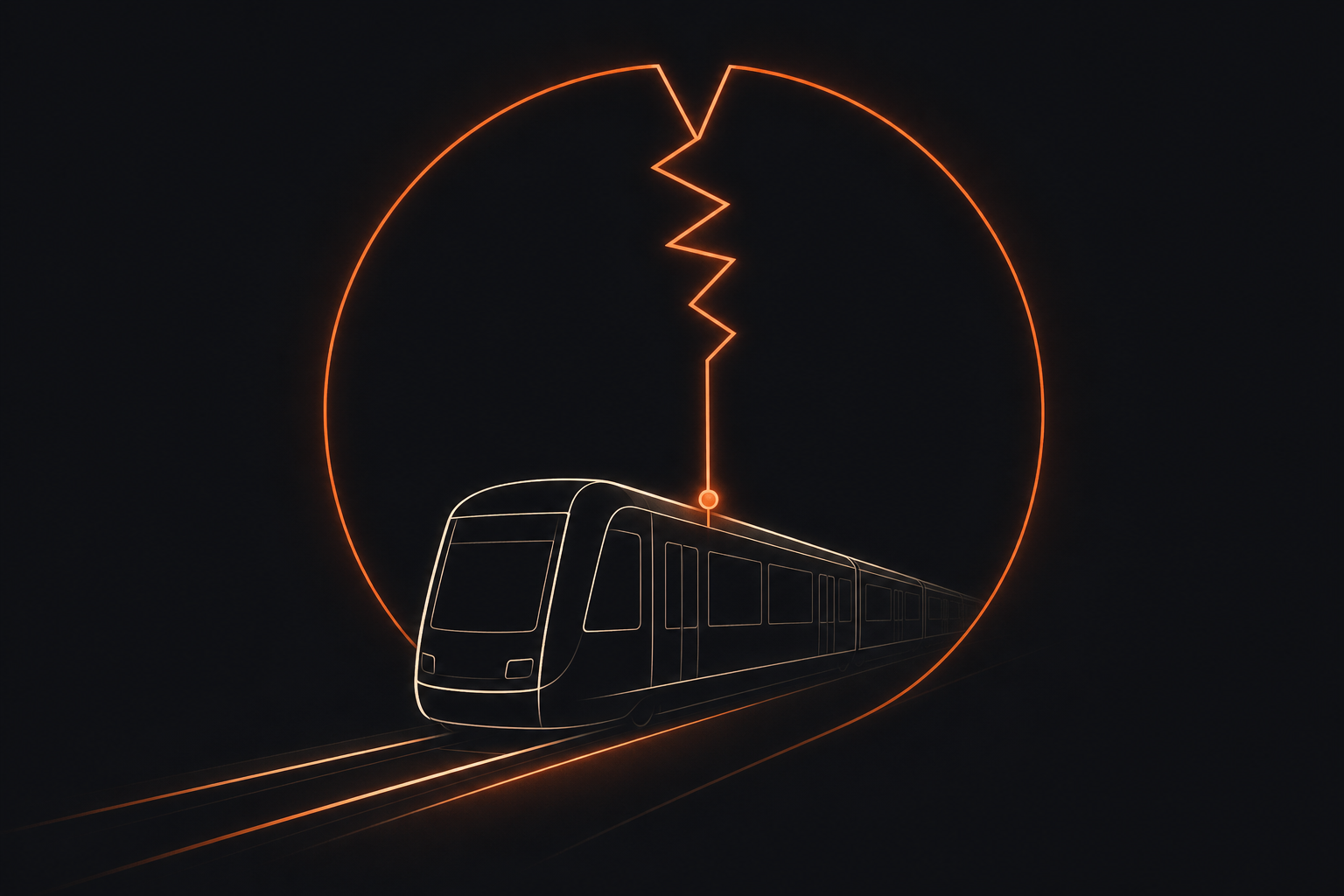
Blackouts can shut down public transit because trains, signals, stations, and communication systems need electricity to operate safely.
Featured in the Thursday, October 8 edition →
It's often said that a blackout only stops electric trains — in fact, buses and other services can also be affected when stations, traffic signals, ticketing, communications, or control centers lose power.
Transit depends on a wider power-and-communications network rather than operating as a completely self-contained service, so a utility failure can disrupt many parts of a city at once.
Think of public transit like a giant toy train set: if the power pack stops, the trains cannot move, and the signals that tell them where to go go dark too.
Understanding this helps when a power outage affects commuting, emergency planning, or debates about whether transit systems have enough backup power and resilience.
Imagine a rail line loses electricity during the morning commute: trains stop or cannot leave the depot, stations may lose lighting and payment systems, and controllers may halt nearby service because they cannot reliably communicate with crews or monitor the track. Even after power returns, staff must check equipment and safely restart the network before regular trips resume.
Safety systems fail first
Signals, track controls, alarms, lighting, ventilation, and emergency equipment may need power, so stopping service can be the safest response rather than a simple lack of propulsion.
Backup power has limits
Batteries and generators can keep essential equipment running for a while, but they may not supply every train, station, or maintenance system indefinitely.
Recovery takes coordination
Restoring service requires transit staff, power providers, emergency responders, and communications teams to confirm that different parts of the network are safe and working together.